



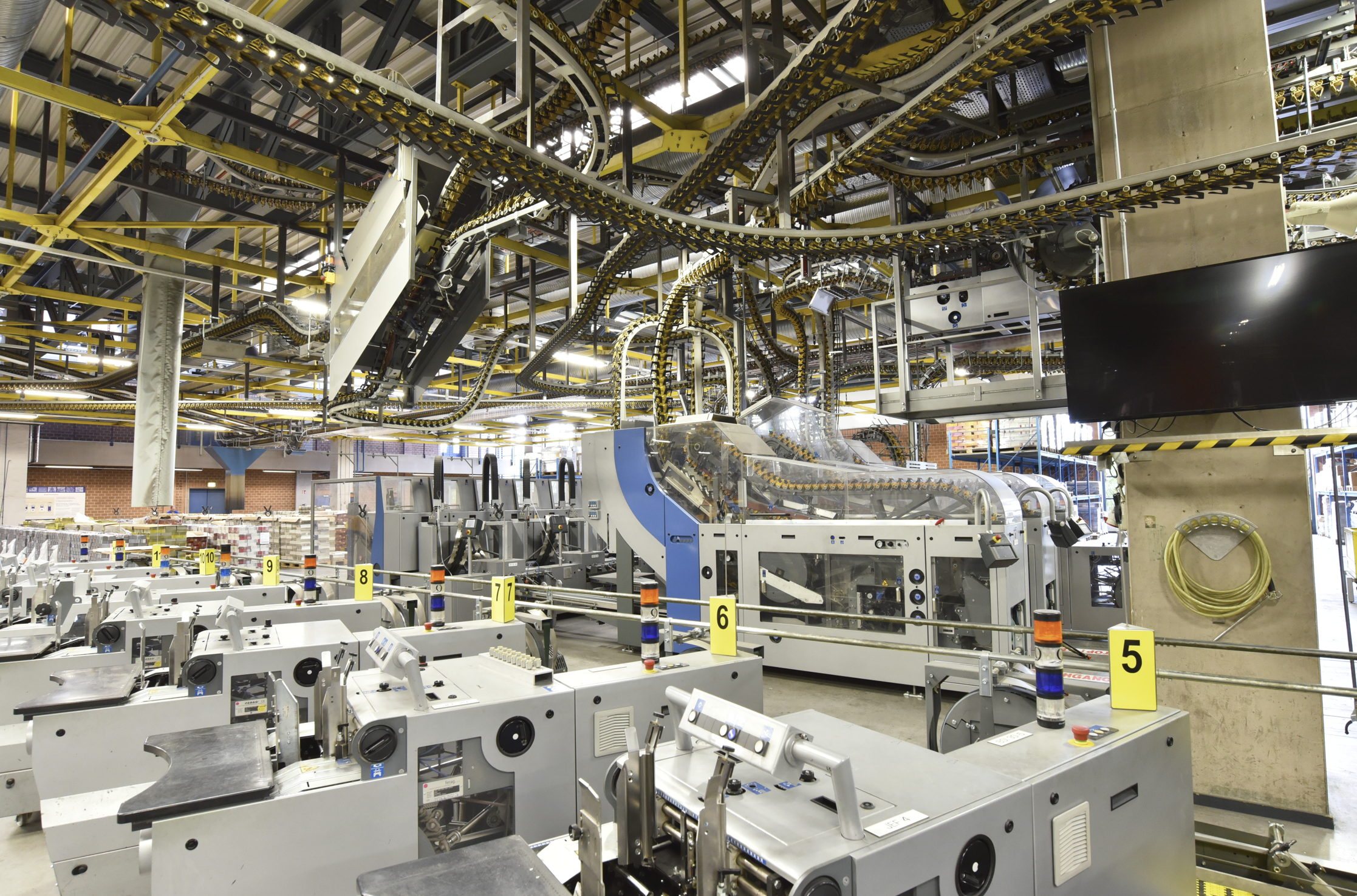
Upgrading metal components in an industrial facility is more than just maintenance—it’s a strategic investment. Stronger, more efficient, and longer-lasting metal parts can improve productivity, reduce downtime, and enhance safety. With the right approach, facilities can modernize their infrastructure while keeping costs under control.
This article will share how industrial facilities can upgrade their metal components for better efficiency and strategic growth.
Assessing the Current Condition of Metal Components
The first step in any upgrade is a thorough assessment of existing components. Many facilities operate with parts that have been in place for years, sometimes decades. Over time, exposure to heat, moisture, and heavy use can weaken metals, leading to cracks, corrosion, or reduced performance. A professional inspection helps identify which components can be repaired and which require replacement.
This process ensures that upgrades are targeted and cost-effective rather than unnecessary overhauls. A detailed evaluation also provides insight into how the facility’s operations have changed over time, helping managers plan for future needs rather than simply reacting to current issues.
Choosing the Right Metals for Durability and Performance
Selecting the right type of metal is critical when upgrading. Stainless steel, aluminum, and specialized alloys each offer unique benefits depending on the application. Stainless steel resists corrosion, making it ideal for environments with moisture or chemicals. Aluminum is lightweight yet strong, perfect for machinery that requires mobility. Specialty alloys can withstand extreme temperatures or heavy loads.
By matching the metal to the specific demands of the facility, managers can extend the lifespan of components and reduce long-term maintenance costs. The choice of metal also impacts energy efficiency, as lighter materials can reduce strain on equipment and lower operating expenses.
Working With Fabrication Professionals for Specialty Projects
Upgrading components often requires custom fabrication and welding. Skilled professionals can design and build parts tailored to the facility’s needs. This is especially important for specialty metal projects, where standard parts may not fit or perform adequately. Welders and fabricators bring expertise in shaping, joining, and reinforcing metals to meet precise specifications.
Their work ensures that upgraded special components integrate seamlessly with existing systems, minimizing disruptions during installation. Partnering with experienced professionals also provides access to industry best practices, ensuring that upgrades are not only functional but also compliant with safety and quality standards.
Integrating Modern Technology into Metal Upgrades
Today’s industrial upgrades go beyond simple replacements. Advanced technologies such as CNC machining, laser cutting, and robotic welding allow for greater precision and efficiency. These methods produce components with tighter tolerances and improved strength. Facilities that adopt modern fabrication techniques benefit from faster production times and reduced waste.
In addition, digital modeling and simulation tools help predict how new components will perform under stress, ensuring reliability before installation. By embracing modern technology, facilities can future-proof their operations and stay competitive in industries where efficiency and precision are critical.
Improving Safety and Compliance Through Upgrades
Safety is a major concern in any industrial environment. Worn or outdated metal components can pose risks to workers and equipment. Upgrading ensures compliance with current safety standards and reduces the likelihood of accidents. Stronger metals and better fabrication techniques also improve structural integrity, protecting both personnel and machinery.
By prioritizing safety in upgrades, facilities not only meet regulatory requirements but also foster a more secure workplace. This proactive approach demonstrates a commitment to employee well-being and can enhance the facility’s reputation with clients and partners.
Maximizing Efficiency and Reducing Downtime
Every hour of downtime in an industrial facility can mean significant losses. Upgraded metal components help minimize interruptions by improving reliability and performance. Stronger parts reduce the frequency of breakdowns, while modern fabrication methods ensure faster installation. Facilities that plan upgrades strategically—such as during scheduled maintenance windows—can avoid costly disruptions.
Over time, these improvements translate into higher productivity and lower operating expenses. Efficient upgrades also allow facilities to scale operations more easily, supporting growth without sacrificing reliability.
Conclusion
Upgrading metal components in an industrial facility is a smart move for long-term success. By assessing current conditions, choosing the right metals, working with skilled fabricators, and integrating modern technology, facilities can achieve stronger, safer, and more efficient operations.
The investment pays off in reduced downtime, improved compliance, and enhanced performance across the board. For managers looking to future-proof their operations, metal upgrades are a practical and impactful step forward.
