



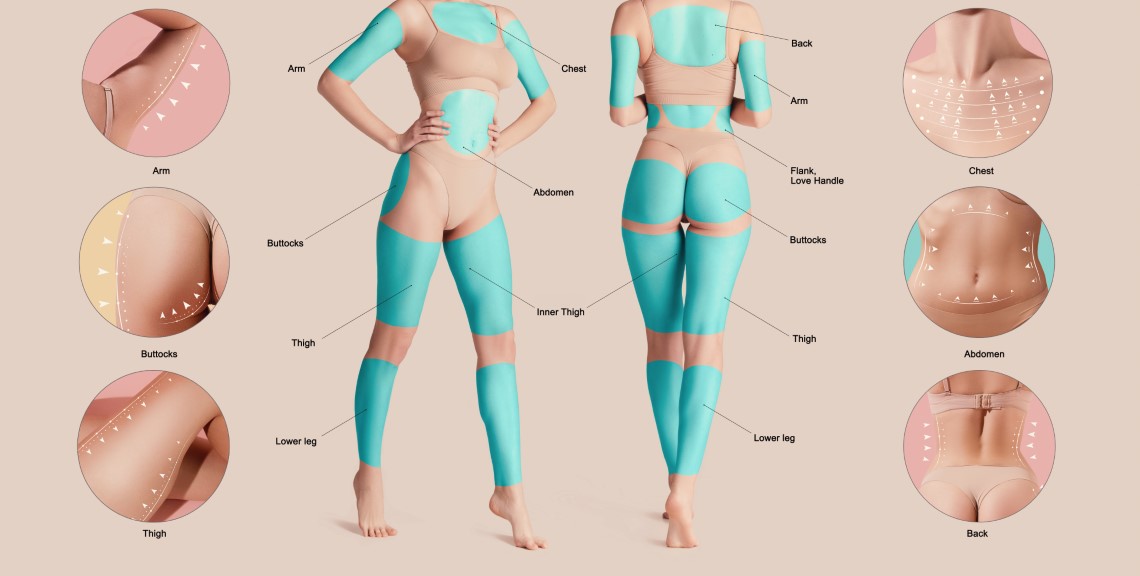
When people consider liposuction, one of the first things they often think about is their weight. However, the number displayed on a scale does not tell the complete story. Two people can have the same weight and height while having very different fat distribution, muscle tone, skin elasticity, and body proportions.
For this reason, effective lipo planning is generally more focused on body shape, fat distribution, skin quality, and realistic contouring goals than on achieving a particular number on the scale. Liposuction is designed to reshape specific areas rather than serve as a general weight-loss treatment.
Weight Does Not Tell the Whole Story
Body weight is simply one measurement. It does not explain where fat is stored or how the body is proportioned. Some people naturally carry more fat around the abdomen and waist, while others may have more noticeable deposits around the hips, thighs, arms, back, or chin.
These differences are influenced by genetics, hormones, aging, and other individual factors. Consequently, someone who appears relatively slim can still have localized areas of fat that are resistant to diet and exercise.
This is why a person can be close to their preferred weight but still feel dissatisfied with certain contours.
Lipo Is About Contouring, Not Chasing Pounds
A common misunderstanding is that removing more fat automatically means achieving a better result. In reality, liposuction is primarily a body-contouring procedure. It removes localized fat deposits to improve the shape and proportion of selected areas rather than dramatically reducing overall body weight.
During planning, the goal should therefore be to determine which areas need refinement and how reducing those deposits could improve the overall silhouette. Removing excessive amounts of fat from one location may create an unnatural appearance if surrounding areas are not considered.
Proportion Can Matter More Than Size
A successful contouring plan considers how different parts of the body relate to one another. For example, reducing the waist may create a more balanced transition between the torso and hips. Similarly, treating localized deposits around the back or flanks may change how the waistline appears without producing a major difference on the scale.
The objective is not necessarily to make every treated area as small as possible. Instead, the surgeon should consider how changes in one region affect the appearance of nearby areas.
Different Body Shapes Require Different Approaches
There is no universal liposuction pattern that works for everyone. A person with an apple-shaped distribution may have different contouring priorities from someone with a pear-shaped or more rectangular body shape.
Some individuals may want greater definition around the waist, while others may be more concerned about the outer thighs, abdomen, upper arms, back, or chin. The appropriate treatment areas depend on the patient’s anatomy and goals.
This individualized approach is one reason professional organizations describe liposuction as a highly personalized procedure.
Skin Elasticity Can Change the Final Result
Fat distribution is only part of the equation. Skin quality is another important consideration when planning a contouring procedure.
After fat is removed, the skin needs to adapt to the body’s new contours. Firm, elastic skin generally has a better ability to conform to the underlying shape. Skin that has lost significant elasticity because of aging, major weight changes, pregnancy, or other factors may not tighten sufficiently after fat removal.
This means a person may have a suitable amount of localized fat but still require a different treatment strategy if loose skin is a major concern.
Why the Same Weight Can Produce Different Results
Imagine two people who weigh exactly the same. One may have a relatively even distribution of fat, while the other may have concentrated deposits around the abdomen and flanks. Their treatment plans would not necessarily be identical.
The scale cannot identify these differences. A physical examination allows a qualified surgeon to evaluate fat deposits, skin elasticity, muscle tone, body proportions, and the relationship between different treatment areas.
That assessment is much more useful for determining whether localized fat removal could create meaningful contour improvement.
A Stable Weight Can Make Planning More Predictable
Although the scale should not be the sole focus, maintaining a relatively stable weight can be important when considering body contouring. Major future weight changes can alter the appearance of the treated and untreated areas.
Liposuction removes fat cells from selected locations, but it does not prevent future weight gain. If someone gains substantial weight afterward, remaining fat cells elsewhere in the body can enlarge and change overall proportions.
For that reason, people considering treatment are often encouraged to approach the procedure with realistic expectations and a sustainable lifestyle.
Choosing Treatment Areas Based on Your Shape
Someone searching for liposuction The Woodlands may initially focus on the procedure itself, but the more important question is whether the treatment plan is appropriate for their individual anatomy. A consultation should focus on concerns such as localized fat, body proportions, skin quality, desired contour changes, medical history, and realistic expectations rather than simply asking how many pounds can be removed.
The best treatment area is not necessarily the one containing the most fat. It may be the area where carefully controlled contouring can produce a more balanced overall appearance.
More Fat Removal Does Not Always Mean Better Contouring
It can be tempting to assume that removing a larger amount of fat will produce a more dramatic improvement. However, excessive removal can create contour irregularities, unevenness, or an appearance that does not harmonize with surrounding areas.
Modern contouring emphasizes balance. Surgeons must consider how much fat can be safely removed while preserving natural proportions and allowing the skin to adapt appropriately.
The goal should be refinement rather than simply maximizing fat removal.
When the Scale Should Still Be Considered
Body shape may be more useful than weight for planning localized contouring, but weight and overall health should not be ignored. A surgeon still needs to evaluate a patient’s general health, medical history, body composition, and suitability for surgery.
Liposuction is not considered a treatment for obesity or a replacement for healthy nutrition and physical activity. Appropriate candidates typically have specific areas of excess fat, realistic goals, and sufficient overall health for an elective surgical procedure.
The Goal Is a Better Proportion, Not a Smaller Number
Ultimately, successful lipo planning should begin with a question that goes beyond the scale: What change would make the body look more balanced and proportionate?
A few pounds removed from a strategically selected area may produce a noticeable visual difference, while a larger change on the scale might not create the contour a person actually wants. This distinction helps explain why body shape and fat distribution are so important when developing an individualized treatment plan.
Final Thoughts
The number on the scale can provide useful health information, but it cannot describe the complete appearance of a person’s body. Lipo planning requires a broader evaluation of localized fat, proportions, skin elasticity, muscle tone, health, and personal goals.
When the procedure is appropriate, the focus should be on creating natural-looking contours that complement the individual’s existing shape. Rather than chasing a specific weight, patients should discuss what areas genuinely bother them and what type of improvement is realistically achievable. A qualified plastic surgeon can then determine whether liposuction alone is appropriate or whether another body-contouring approach may better address the patient’s concerns.
