



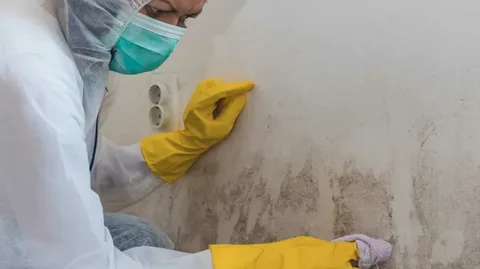
A mold inspection is an essential process that helps homeowners identify hidden mold growth, locate moisture problems, and protect indoor air quality. Mold often thrives in damp, dark areas such as basements, bathrooms, attics, and behind walls. Left unchecked, it can damage property, trigger allergies, and create long-term health risks.
A professional mold inspection goes beyond simply spotting visible mold. Certified inspectors perform a comprehensive assessment using tools like moisture meters, infrared cameras, and borescopes to detect hidden leaks and humidity sources that support mold growth. The process typically includes a visual examination, moisture mapping, and air or surface sampling to determine if mold spore levels are above normal indoor limits.
During the inspection, the consultant documents findings and compares indoor spore counts to outdoor samples, ensuring the results are scientifically valid. The inspection may also identify areas at risk of future contamination, such as poorly ventilated bathrooms or water-damaged drywall.
According to experts, signs that warrant an inspection include musty odors, peeling paint, discoloration, and warping—all common indicators of hidden mold colonies.
A mold inspection is especially crucial after flooding, plumbing leaks, or during real estate transactions. Catching problems early can prevent costly remediation and preserve property value. In short, professional mold inspections provide peace of mind—ensuring your home remains safe, healthy, and structurally sound.
