



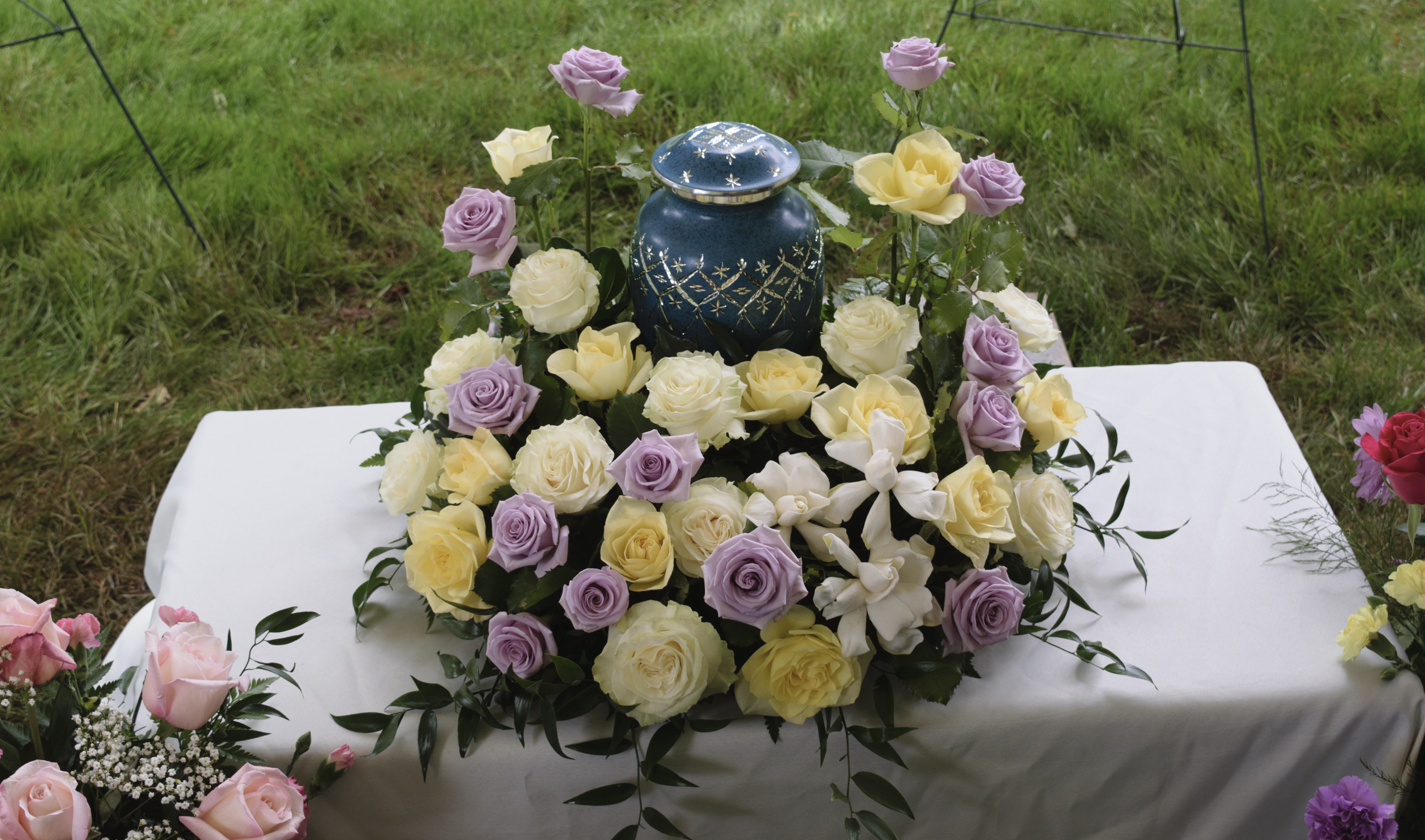
Honoring a loved one in a way that reflects their values and leaves a positive impact on the environment is becoming increasingly important for many families today. Eco-friendly memorials provide meaningful alternatives that celebrate life. They respect the planet while offering families the chance to create lasting tributes that align with environmental responsibility.
In this article, we’ll share five memorial options that are sustainable.
Planting Memorial Trees With Soil Cremation Mixture
A powerful, eco-friendly memorial is planting a tree that grows as a living tribute. Families can use a soil cremation mixture, which blends cremated remains with nutrient-rich soil, to nurture new life that grows strong roots and flourishes over time for a living memorial.
This practice symbolizes renewal and continuity, allowing loved ones to remain connected to nature in a deeply personal way. Choosing a plant or tree species that reflects the personality or passions of the deceased, such as a flowering tree for beauty or a sturdy oak for resilience, adds an extra layer of meaning and tribute. Over time, the tree will offer comfort to future generations while contributing positively to the environment.
Creating Natural Burial Spaces
Natural burials are designed to minimize environmental impact by avoiding embalming chemicals or concrete vaults. Instead, biodegradable shrouds or simple wooden caskets are used, allowing the body to return to the earth naturally to nurture the land in a way that supports biodiversity and allows the natural cycle of life to continue. Families often choose conservation burial grounds or green cemeteries, where the landscape is in harmony with nature.
These spaces provide a serene environment for remembrance. They also protect ecosystems and wildlife habitats while offering a way to honor life while leaving a gentle footprint on the planet.
Designing Memorial Gardens
Memorial gardens offer families a chance to create personalized spaces filled with plants and flowers that reflect the spirit of their loved one. These gardens can be established in private yards or conservation areas, serving as places of reflection where family members and friends can gather and feel a sense of peace that comes from being surrounded by natural beauty.
Incorporating native plants ensures that the garden supports local biodiversity and requires less maintenance, while features such as benches or water elements that provide opportunities for quiet contemplation. A memorial garden blends remembrance with ecological stewardship in a way that continues to grow and flourish over time.
Transforming Ashes Into Ocean-Friendly Tributes
For those who feel a deep connection to the sea, eco-friendly memorials can involve transforming ashes into reef structures or biodegradable water urns. Reef memorials use cremated remains to help build artificial reefs. These support marine life and restore ocean ecosystems by creating habitats that encourage coral growth and strengthen fragile marine ecosystems that have been damaged by pollution or climate change.
Biodegradable urns, designed to dissolve naturally in water, allow families to hold ceremonies at lakes or coastal areas without harming the environment. This practice creates lasting legacies that contribute to the health of aquatic ecosystems.
Establishing Charitable Environmental Legacies
Another eco-friendly memorial idea is to create charitable legacies that support environmental causes. Families may choose to establish scholarships for sustainability studies, donate to conservation organizations, support local initiatives that protect endangered species, or fund community projects that promote ecological awareness.
These acts of giving extend the impact of a loved one’s life, ensuring that their memory continues to inspire positive change. Families also create meaningful tributes in behalf of their loved one.
Conclusion
Eco-friendly memorials provide families with opportunities to celebrate life while caring for the earth. Options like planting a tree with a soil cremation mixture, choosing natural burial spaces, designing memorial gardens, creating ocean-friendly tributes, or establishing charitable legacies all offer a meaningful way to honor loved ones.
These practices combine remembrance with sustainability, ensuring that memories live on in ways that nurture both hearts and the environment.
