



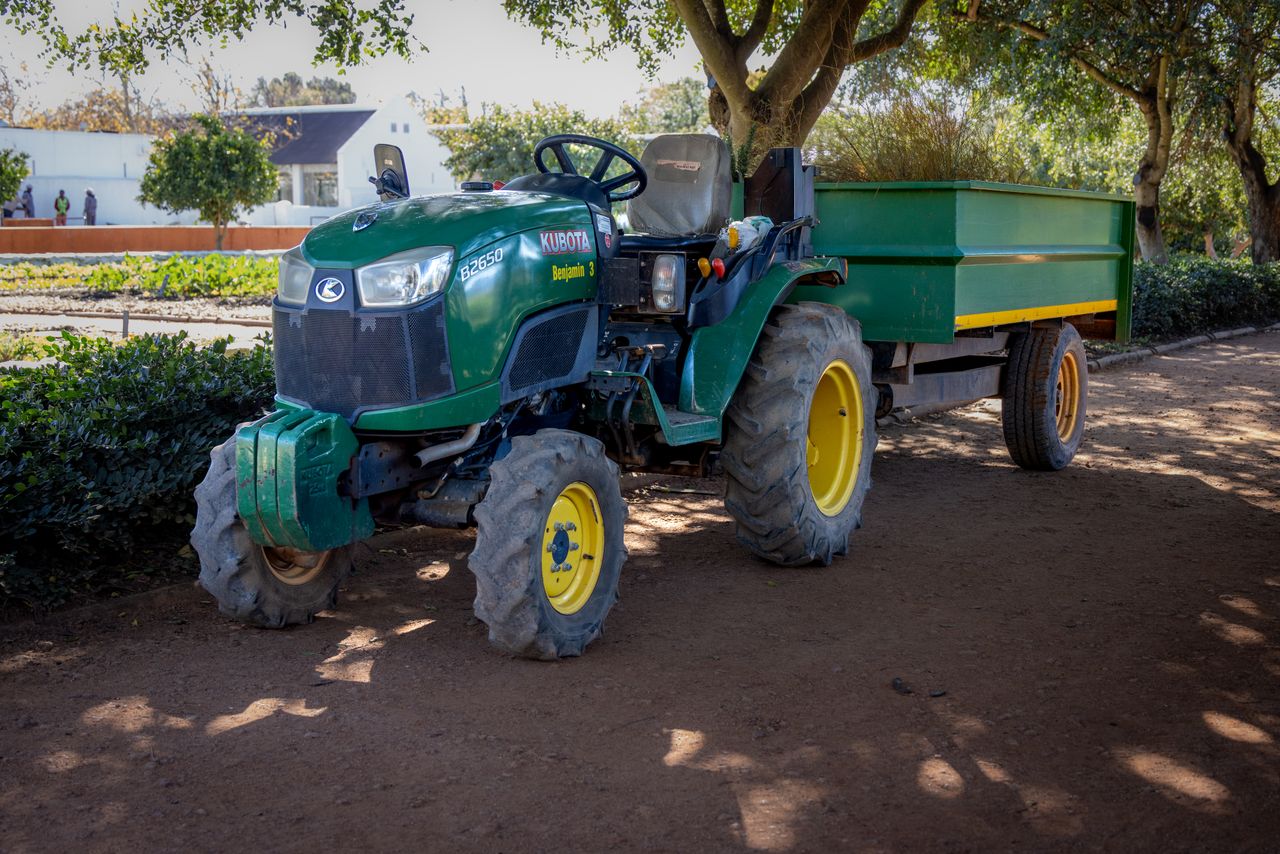
A farm rarely runs on a single system. It runs on dozens of smaller ones working together at the same time, often without much attention paid to any of them individually. Water has to reach the right fields, equipment has to be ready when a task calls for it, and fuel has to arrive before a tank runs low.
None of these pieces are especially visible from the outside, yet each one plays a direct role in how smoothly daily operations go. This article looks at some of the infrastructure, logistics, and equipment considerations that shape how a farm functions, along with a general sense of where farmers typically turn when they need outside support for each one.
The goal here is not to walk through specific steps or instructions, but to give a clearer picture of what these systems involve and why they matter.
Water Systems and Irrigation Infrastructure
Water access shapes almost every other decision a farm makes, from what crops can be grown to how labor is scheduled throughout the season. Irrigation infrastructure includes the pumps and distribution lines that move water from a source to the fields that need it. Farmers often need to understand how their water rights and soil type interact with the layout of their crops before any of this infrastructure can function well.
Because these systems tend to be built to last many years, the planning that goes into them matters more than it might for shorter-term equipment decisions.
Farm Road and Access Maintenance
The roads and access paths that connect fields to storage areas and main routes are easy to overlook until they stop working properly.
Uneven or poorly maintained roads can slow down nearly everything else on a farm, from equipment movement to deliveries arriving on schedule. These access points also need to hold up under repeated heavy use, which is different from the kind of wear a typical residential driveway experiences.
Farmers usually rely on local contractors who specialize in rural or agricultural road work, since this kind of maintenance calls for equipment and materials suited to farm conditions rather than standard paving jobs.
Storage Solutions
Storage needs on a farm extend well beyond a single barn or shed, covering everything from harvested crops to equipment that sits idle for part of the year.
The right storage setup depends on what is being stored and what kind of climate control or ventilation it requires. Grain, for example, has very different storage demands than perishable produce. Many farmers work with agricultural construction companies or storage system manufacturers to design spaces that match their specific mix of crops and equipment.
Gas and Diesel Delivery
Fuel access is one of those needs that farmers rarely think about until a delivery is delayed or a tank runs lower than expected. Gas and diesel power much of the equipment used on a farm, so a dependable delivery schedule matters just as much as the fuel itself.
Bulk fuel delivery services, from businesses like DMM Energy, are typically arranged through regional fuel distributors or dedicated farm fuel suppliers who understand seasonal usage patterns. These providers often set up recurring delivery arrangements so that fuel supply lines up with planting, harvesting, or other periods of heavy equipment use.
Fencing and Land Boundaries
Fencing serves more than one purpose on a working farm, marking property boundaries while also managing where livestock can and cannot go. The materials used for fencing vary quite a bit depending on the animals being contained and the terrain of the property. Some farms rely on wood or wire fencing, and others use electric fencing systems for more flexible boundary control.
Fencing contractors who specialize in agricultural properties are usually the ones farmers turn to, since residential fencing companies often lack experience with livestock-specific requirements.
Power and Electrical Systems
Electrical infrastructure on a farm supports far more than just the farmhouse, extending out to barns, storage facilities, irrigation pumps, and any equipment that requires a power source. Rural properties sometimes face different electrical demands than urban or suburban ones, particularly when a farm is spread across a large area.
Backup power systems also come into play for farms that cannot afford extended outages during critical periods like calving season or crop storage. Electricians with rural or agricultural experience are generally better equipped to handle these setups, since they understand the unique load requirements involved.
Agricultural Equipment
Farm equipment, from agricultural dealers like M&R Power Equipment Group, ranges from small hand tools to large machinery used for planting or harvesting, and the right mix depends heavily on the size and type of operation.
Owning every piece of equipment outright is not always practical, which is why many farmers turn to equipment dealerships or rental and leasing companies depending on how often a given piece of machinery gets used. Some farms also participate in equipment-sharing arrangements through local cooperatives, spreading out the cost of less frequently used machinery among several operations.
Understanding what equipment a farm actually needs on a regular basis, rather than what might be useful occasionally, tends to shape these decisions the most.
Communication and Technology Systems
Reliable communication matters more on a farm than people might expect, especially across properties that stretch over large distances with limited natural line of sight between buildings.
Cellular boosters and satellite internet services are common solutions farmers use to stay connected across a property. Farm management software has also become more common, helping track everything from planting schedules to equipment maintenance records. Technology providers who focus specifically on rural or agricultural connectivity tend to offer solutions better suited to these conditions than general consumer internet or phone services.
Waste and Byproduct Management
Every farm generates some form of waste or byproduct, coming either from livestock pens or from leftover crop residue after harvest. How this material is handled affects soil health and, in some cases, local regulations that farms are required to follow. Composting systems and manure management services are among the resources farmers use to address this need.
The right approach usually depends on the type and volume of waste being produced, along with what the surrounding land can reasonably absorb.
Weather Monitoring and Preparation
Weather has a direct effect on nearly every decision made throughout a farming season, from when to plant to when equipment can safely be used in a field. Weather monitoring systems, ranging from basic stations to more advanced sensor networks, give farmers a clearer picture of current and upcoming conditions specific to their property.
This kind of localized data tends to be more useful than general regional forecasts, since farm conditions can vary quite a bit even within a small area. Agricultural extension offices and private weather service companies are two common sources farmers use to access this kind of specialized monitoring.
Labor and Seasonal Staffing
Staffing needs on a farm often shift throughout the year, with some periods requiring significantly more hands than others. Seasonal labor is common during planting and harvest, while other times of year may only require a smaller core team to maintain daily operations.
Farm labor agencies and agricultural staffing services help connect farms with workers experienced in this kind of physically demanding, schedule-sensitive work. Building a reliable staffing plan tends to matter just as much as any physical infrastructure, since even well-maintained systems require people to operate them.
Taken together, these systems show how much coordination goes into running a farm day to day. None of them work in isolation, and a gap in one area, like a fuel delivery running late or a piece of equipment sitting unavailable, can affect several other parts of the operation at once.
Farmers rarely handle all of this alone, and there are specialized providers for nearly every piece, from fuel distributors and equipment dealers to fencing contractors and rural technology companies. Understanding what each system involves makes it easier to recognize where support is needed and when it is worth reaching out to someone who specializes in that particular area.
In the end, a farm that runs smoothly is usually one where these smaller systems have each received the attention they need.
