



When someone dials 911, they expect an answer immediately. There is no room for buffering, frozen screens, or system crashes. Behind every emergency call is a network of technology that must work without pause. In that world, zero downtime is not a luxury; it is a requirement.
Emergency services rely on data systems to track calls, dispatch responders, and access critical records. If those systems fail, even for a few minutes, the consequences can be serious. That is where strong data center solutions step in. They quietly support the technology that first responders depend on every second of the day.
Keeping Systems Running Without Interruption
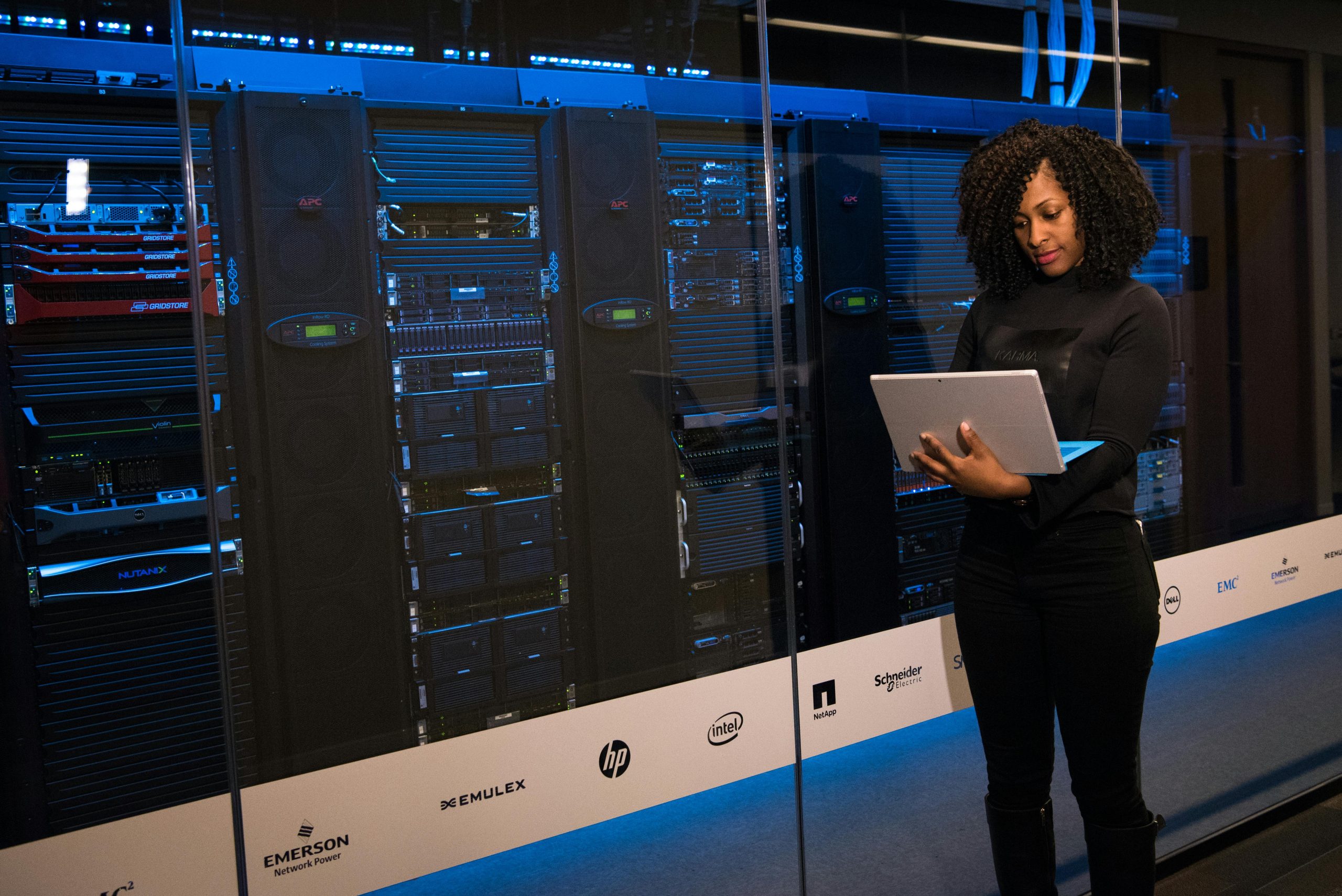
A data center is a secure facility that houses servers, which are powerful computers that store and process information. These servers manage everything from call routing to medical records. For emergency services, they must stay online around the clock. Even brief outages can delay dispatch times or limit access to vital information.
To prevent downtime, facilities are built with backup systems. This includes extra power supplies, generators, and multiple internet connections. If one power source fails, another automatically takes over. That redundancy, which simply means having a backup ready, keeps operations steady even during storms or grid failures.
Protecting Information from Physical Threats
Emergency services handle sensitive data every day. Addresses, medical histories, and law enforcement reports must be stored securely. Data centers use strict physical security, including controlled access and surveillance. Only authorized personnel can enter certain areas.
Beyond security, the building itself is designed to handle environmental risks. Fire suppression systems, which are special setups that detect and control fires without damaging equipment, protect critical hardware. Cooling systems prevent overheating, which can shut down servers if temperatures climb too high. These layers of protection help ensure that information stays safe and accessible.
Backing Up Data for Worst-Case Scenarios
Even the most secure facility must plan for unexpected disasters. That is why emergency service systems rely on backups stored in separate locations. Backups are copies of data saved elsewhere in case the original is damaged. If one site experiences a problem, another can step in.
This process is often automatic and happens in real time. Real time simply means the information is updated instantly rather than hours later. For dispatch centers, that speed matters. Accurate, up-to-date information can guide decisions that affect lives.
Supporting Communication Across Agencies
Modern emergency response often involves coordination between police, fire departments, and medical teams. These agencies share data to respond effectively. Data centers help keep communication systems connected so teams can work together smoothly. Without that connection, coordination slows down.
Reliable infrastructure ensures that digital maps load correctly and location tracking functions without delay. When responders head to a scene, they rely on accurate routing and shared updates. Behind the scenes, facilities such as a well-managed data center provide the stability needed to maintain that constant communication. Strong digital foundations make real-world teamwork possible.
Preparing for Growing Demands
Technology in emergency services continues to evolve. Video feeds, body cameras, and advanced dispatch software require more storage and faster processing. Data centers must scale, which means they need to expand capacity without interrupting service. Planning ahead prevents systems from becoming overloaded.
Scalability also supports community growth. As cities expand, call volumes increase and systems must handle more data. Flexible infrastructure allows emergency services to adapt without risking downtime. That forward-thinking approach keeps communities protected as needs change.
Conclusion
When people think about emergency services, they picture flashing lights and sirens. Few consider the quiet rooms filled with servers that make those responses possible. Yet those rooms play a crucial role in ensuring calls are answered and help arrives quickly. Zero downtime is not just a goal; it is essential for public safety.
By maintaining constant power, securing facilities, backing up data, and supporting communication, data center solutions form the backbone of modern emergency response. Their reliability allows first responders to focus on saving lives rather than worrying about system failures. In a moment of crisis, technology must perform flawlessly. Thanks to careful planning and resilient infrastructure, communities can trust that it will.
