



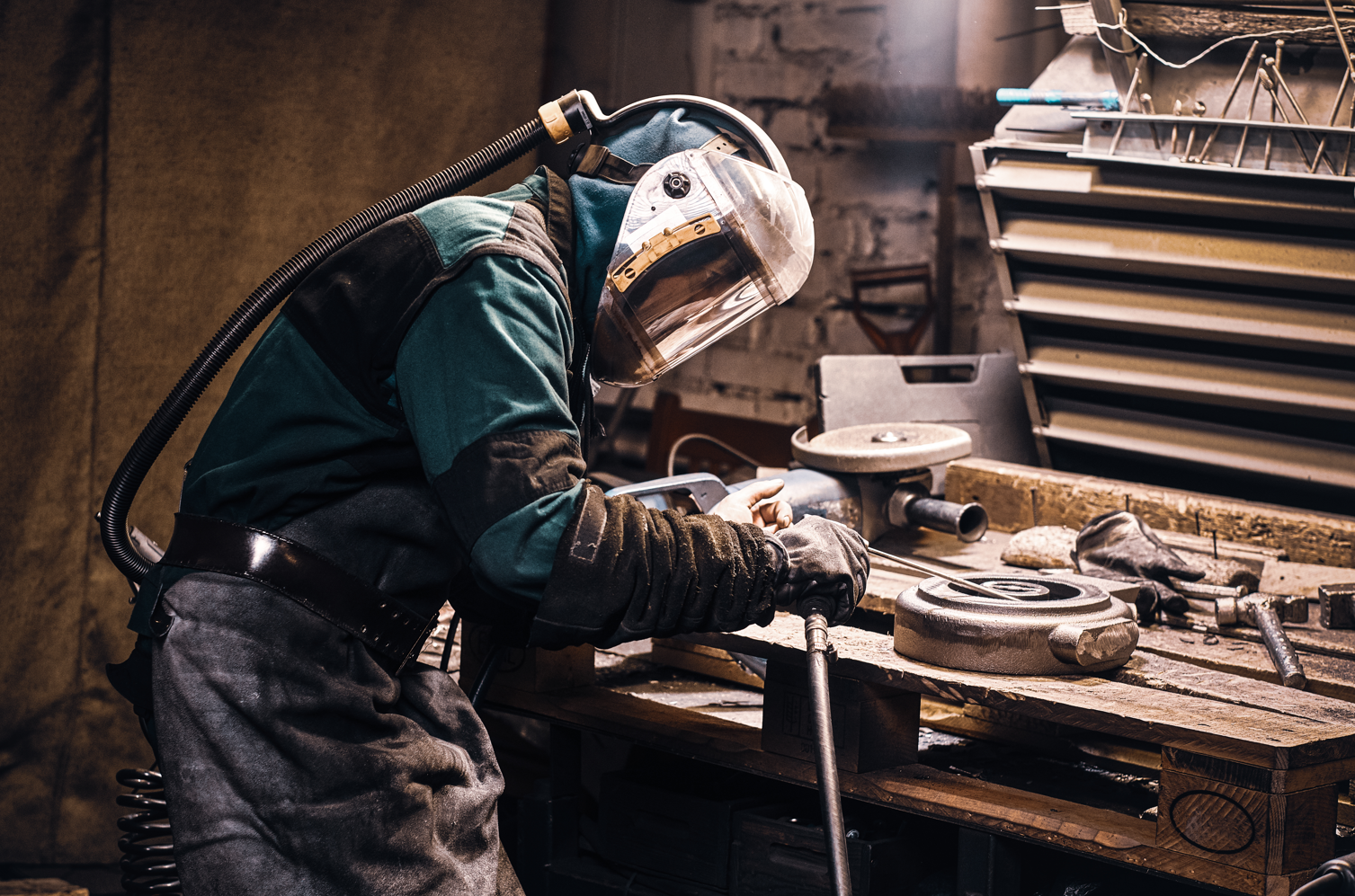
Welding is a highly skilled trade that comes with significant safety risks. Sparks, molten metal, ultraviolet light, and heat make welding one of the most hazardous jobs on a construction site or in a fabrication shop. While proper training and equipment are critical, one often overlooked aspect of jobsite safety is welding apparel. Wearing the correct clothing can prevent injuries, improve productivity, and protect workers from long-term health risks.
In this blog post, we’ll explore why proper apparel for welding is crucial for jobsite safety. Let’s dive in!
Protecting Against Burns and Sparks
One of the primary dangers in welding is exposure to sparks, spatter, and hot metal fragments. Standard clothing, such as cotton t-shirts and jeans, offers minimal protection and can easily catch fire. Proper welding apparel, including flame-resistant jackets, gloves, and pants, provides a barrier between the welder and these hazards. These garments are specifically designed to resist ignition, preventing burns that can lead to severe injuries and costly medical treatment.
Lessening Risk of UV and Infrared Exposure
Welders are exposed to intense ultraviolet (UV) and infrared (IR) radiation from the welding arc. Prolonged exposure can cause “welder’s flash,” a painful condition that affects the eyes, and increase the risk of skin damage or long-term health issues. Welding apparel with protective coatings and materials shields both skin and eyes from harmful radiation. Using the proper apparel in combination with helmets and face shields ensures comprehensive protection against these invisible threats.
Enhancing Comfort and Reducing Fatigue
Jobsite safety is not only about preventing injuries but also about maintaining focus and productivity. Improper or ill-fitting clothing can restrict movement, cause overheating, or lead to discomfort, all of which increase the likelihood of accidents. High-quality welding apparel is designed to be durable yet flexible, allowing welders to move freely while staying protected. Ventilation features, moisture-wicking fabrics, and ergonomic designs help reduce fatigue, keeping workers alert and safe throughout long shifts.
Preventing Electrical Hazards
Welding involves the use of high-voltage equipment, which introduces the risk of electrical shock. Standard clothing can conduct electricity, increasing the danger of an accident. Welding apparel made from non-conductive and flame-resistant materials helps minimize the risk of electrical injuries. Gloves, jackets, and boots designed for welders create an additional layer of safety when handling live equipment or working in challenging conditions.
Supporting Compliance With Safety Regulations
Employers are required to follow strict occupational safety regulations to protect their workforce. Using proper welding apparel is not just a safety measure; it is a legal requirement in many regions. Compliance ensures that companies avoid fines, legal issues, and work stoppages. Furthermore, providing employees with certified protective gear demonstrates a commitment to worker safety, which can improve morale and foster a culture of responsibility on the jobsite.
Increasing Long-Term Health Protection
Welding exposes workers to metal fumes, heat, and ultraviolet light, all of which can cause long-term health problems if not properly managed. Wearing appropriate welding apparel, including flame-resistant layers and protective gloves, decreases chronic exposure to these hazards. Over time, consistent use of proper safety gear can help prevent skin conditions, respiratory issues, and eye problems, supporting overall occupational health and career longevity.
Proper welding apparel is an essential element of jobsite safety. From protecting against burns and radiation to preventing electrical hazards and supporting compliance with regulations, the right clothing can make a significant difference in both immediate and long-term worker well-being. Employers and welders alike must prioritize high-quality, certified apparel to maintain a safe and productive work environment. Investing in the right gear is not just a regulatory necessity; it is a practical and responsible approach to protecting lives and careers on the jobsite.
