



Starting a welding career is exciting, but it also comes with responsibilities. From the very first day, beginners need to think about safety, efficiency, and long-term growth. The right investments in tools and gear can make the difference between a smooth start and unnecessary setbacks. For professional welders and managers guiding new talent, knowing what essentials to prioritize ensures both productivity and protection.
Protective Gear That Sets the Foundation
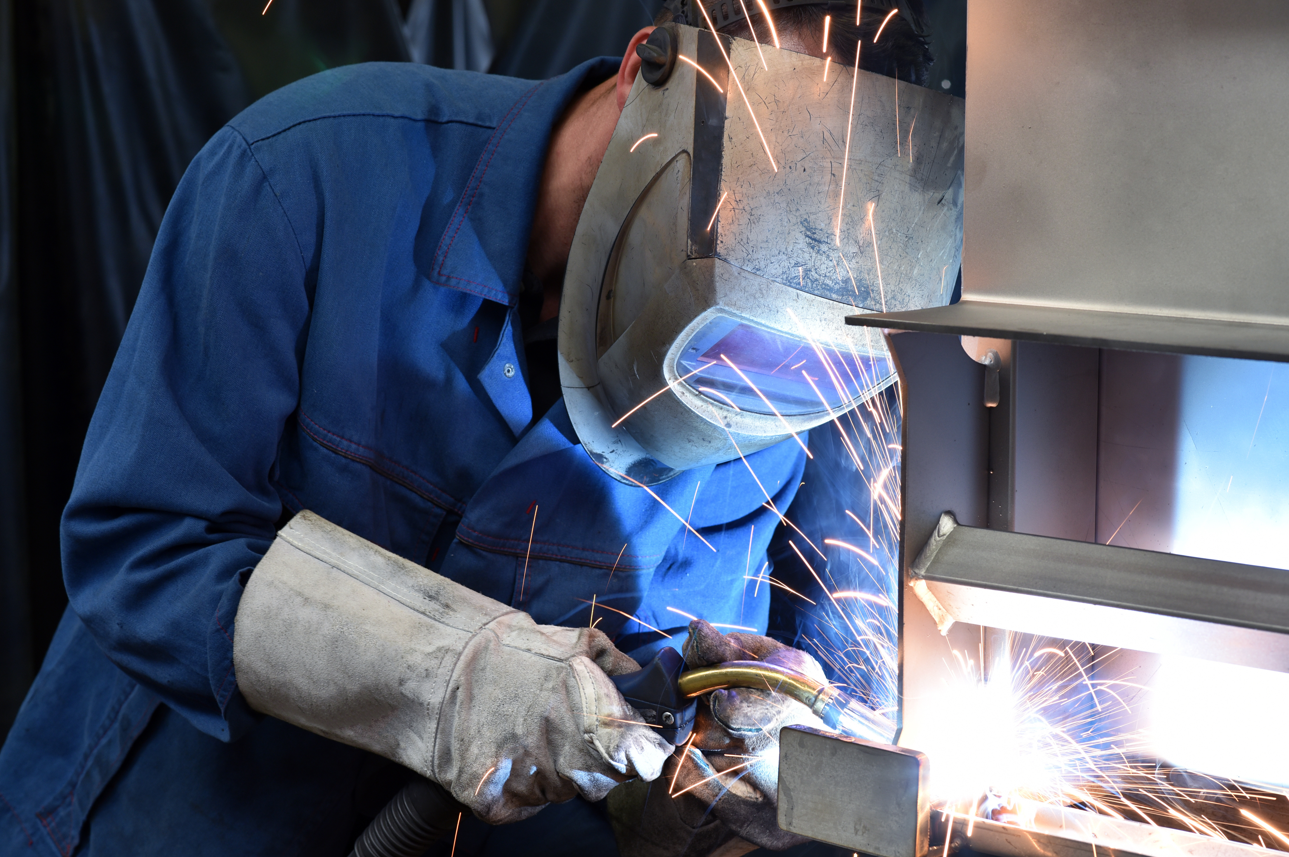
Safety is the first priority in welding. Beginners must understand that protective gear is not optional—it is essential. A high-quality welding helmet with auto-darkening lenses protects the eyes from harmful sparks and ultraviolet rays. Gloves designed for welding shield hands from burns while still allowing dexterity. Jackets made from flame-resistant materials keep the upper body safe from heat and spatter. Investing in durable boots with steel toes adds another layer of protection against falling objects and hot debris.
These items may seem basic, but they form the foundation of a welder’s daily routine. Managers should emphasize that protective gear is not just about compliance; it is about building habits that prevent accidents and create confidence in every weld.
Welding Apparel That Ensures Comfort and Safety
Beyond helmets and gloves, welding apparel plays a critical role in keeping welders safe and comfortable during long shifts. Flame-resistant shirts, pants, and aprons are designed to withstand sparks and heat without compromising mobility. Beginners often underestimate how much proper clothing can affect their performance. Loose or inappropriate clothing can catch fire or restrict movement, while well-fitted welding apparel allows welders to focus on precision.
Professional managers know that investing in apparel early helps new welders avoid injuries and distractions. It also reinforces the importance of presenting themselves as professionals who respect the craft. Apparel is not just about safety—it is about confidence, endurance, and pride in the work.
Essential Tools for Everyday Welding Tasks
No welder can begin without the right tools. A reliable welding machine suited to the type of work—whether MIG, TIG, or stick welding—is the centerpiece of any setup. Beginners should also invest in clamps, wire brushes, and grinders to prepare and finish their work. These tools may seem secondary, but they are vital for producing clean, strong welds.
A sturdy workbench with proper ventilation ensures that projects can be completed safely and efficiently. Managers guiding new welders should encourage them to start with quality tools rather than cheaper alternatives that wear out quickly. The right tools not only improve results but also teach beginners the value of precision and care in their craft.
Safety Equipment That Prevents Long-Term Risks
Welding is not only about immediate hazards like sparks and burns. Long-term risks, such as inhaling fumes or exposure to noise, can affect health over time. Beginners should invest in respirators or fume extractors to protect their lungs from harmful particles. Ear protection is equally important, as constant exposure to loud machinery can lead to hearing loss.
Fire extinguishers and first-aid kits should be part of every workspace, ensuring quick response in case of emergencies. Managers who stress these investments from day one help welders build a culture of safety that lasts throughout their careers. Protecting health is as important as perfecting technique.
Training Resources That Build Confidence
Tools and gear are only part of the equation. Beginners must also invest in their knowledge. Training manuals, online courses, and mentorship programs provide guidance that accelerates learning. Welding is a skill that requires practice, but structured training ensures that practice leads to improvement rather than mistakes.
Managers should encourage new welders to seek certifications that validate their skills and open doors to better opportunities. Investing in education from the start builds confidence and sets welders on a path toward mastery. Knowledge is the tool that sharpens every other investment.
Workspace Organization That Improves Efficiency
A cluttered workspace slows down progress and increases risks. Beginners should invest in storage solutions such as toolboxes, racks, and shelves to keep equipment organized. Clear labeling and designated areas for tools reduce wasted time searching for items. Good lighting and ventilation make the workspace safer and more comfortable.
Managers know that efficiency is not just about speed—it is about creating an environment where welders can focus on quality. Teaching beginners to value organization from day one helps them develop habits that will serve them throughout their careers.
Conclusion
For beginner welders, the first investments set the tone for their entire journey. Protective gear, welding apparel, essential tools, safety equipment, training resources, and workspace organization all play critical roles in building a strong foundation.
Professional welders and managers guiding newcomers should emphasize that these investments are not expenses but commitments to safety, skill, and success. Starting with the right essentials ensures that every weld is not only strong but also a step toward a lasting and rewarding career.
