



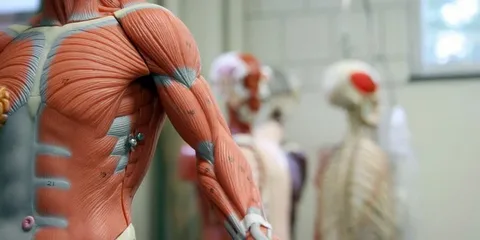
The human skeleton is not merely a static structure; it is a dynamic living tissue that constantly undergoes remodeling. When this system is compromised by acute trauma or chronic wear and tear, the impact on a person’s quality of life can be profound. Orthopedic surgeons and specialists utilize a combination of surgical and non-surgical interventions to restore mobility and alleviate pain.
Non-surgical approaches often serve as the first line of defense. These may include physical therapy, pharmacological management, bracing, and injections such as corticosteroids or hyaluronic acid. However, when conservative treatments fail to provide relief or when the structural integrity of a joint is lost, surgical intervention becomes necessary. Advanced medical centers likeLiv Hospital offer comprehensive care that spans the entire spectrum of these treatments, ensuring that patients receive personalized care based on the severity of their condition.
Innovations in Joint Replacement and Arthroplasty
One of the most significant achievements in theORTHOPEDIC field is the evolution of joint replacement surgery, or arthroplasty. For patients suffering from advanced osteoarthritis or rheumatoid arthritis, the degradation of cartilage leads to debilitating bone-on-bone friction. Modern hip and knee replacements have transformed these patients’ lives by replacing damaged surfaces with high-grade metal, ceramic, or polyethylene components.
Recent technological leaps have introduced robotic-assisted surgery and 3D-printed custom implants into the operating room. Robotic systems allow for sub-millimeter precision in bone preparation and implant positioning, which can lead to better joint alignment, more natural movement, and potentially longer-lasting results. These innovations reduce the physical trauma to surrounding soft tissues, which often translates to faster recovery times and a more rapid return to daily activities.
Sports Medicine and Arthroscopic Techniques
Sports medicine is a vital sub-specialty focusing on injuries sustained during physical activity. Common conditions include Anterior Cruciate Ligament (ACL) tears, meniscus damage, and rotator cuff injuries. The gold standard for many of these repairs is arthroscopy—a minimally invasive surgical procedure.
During an arthroscopy, the surgeon makes small incisions and inserts an arthroscope, a thin tube equipped with a fiber-optic camera. This allows for a clear visualization of the joint interior without the need for large, open incisions. Because the surrounding muscles and tendons are not extensively disrupted, patients typically experience less postoperative pain and a lower risk of infection. For professional athletes and active individuals alike, these techniques are essential for restoring peak performance and preventing future degenerative changes in the joint.
Spine Surgery and Regenerative Medicine
The orthopedic treatment of the spine has also seen a paradigm shift. Conditions such as herniated discs, spinal stenosis, and scoliosis are now often treated with minimally invasive spinal surgery (MISS). By utilizing specialized instruments and microscopes, surgeons can decompress nerves or stabilize the vertebrae with minimal impact on the surrounding musculature.
Furthermore, the field is increasingly exploring the potential of regenerative medicine. Treatments involving Platelet-Rich Plasma (PRP) and stem cell therapies aim to harness the body’s natural healing abilities to repair damaged tendons and cartilage. While these therapies are still being refined, they represent a promising frontier for managing early-stage musculoskeletal issues without the need for traditional surgery.
Pediatric and Geriatric Orthopedic Care
The musculoskeletal needs of the human body change dramatically with age. Pediatric orthopedics focuses on growing bones and correcting congenital issues like clubfoot, hip dysplasia, or limb length discrepancies. Because children’s bones are still developing, treatments must be carefully timed to avoid interfering with growth plates.
On the other hand, geriatric orthopedics often deals with the consequences of osteoporosis and the increased risk of fragility fractures. Hip fractures in the elderly are particularly critical, requiring urgent surgical stabilization to prevent complications related to immobility. A holistic approach that includes bone density management and fall prevention strategies is crucial for this demographic.
The Role of Lifestyle in Bone and Joint Health
The long-term success of any orthopedic intervention is heavily dependent on the patient’s commitment to a healthy lifestyle. Weight management is perhaps the most influential factor, as excess body weight places significant mechanical stress on weight-bearing joints like the hips and knees. Additionally, a diet rich in calcium and vitamin D, combined with regular resistance training, is essential for maintaining bone mineral density and muscular support.
Achieving a state of total physical harmony requires looking beyond the clinical aspects of surgery and focusing on how the body moves and heals in a daily context. Integrating mindful movement and proper nutrition can drastically improve recovery outcomes and prevent future injuries. For those seeking to deepen their understanding of how tolive and feel their best through holistic wellness, exploring a variety of health-focused resources can provide the necessary tools to sustain a vibrant and active life long after leaving the hospital.
