



You’re cruising down the highway when it starts. The steering wheel begins to tremble, just enough to make you wonder if the road suddenly changed. At first it feels minor, but the faster you go, the more noticeable it becomes. That small shake is often your car’s way of asking for better balance.
Many drivers assume the problem is serious or expensive. In reality, it often comes down to how the tires were installed and balanced. Precision during installation plays a bigger role than most people realize. When done correctly, it keeps your ride smooth and your steering steady.
Understanding What Causes the Vibration
A shaking steering wheel usually points to imbalance in the tires. Tire balancing is the process of making sure the weight of the tire and wheel is evenly distributed. If one section is heavier than another, the tire spins unevenly. At higher speeds, that uneven spin creates vibration you can feel through the steering wheel.
It does not take much weight difference to cause the problem. Even a small imbalance can grow more noticeable at 60 or 70 miles per hour. The faster the wheel rotates, the stronger the shake becomes. That is why the issue often appears on highways rather than neighborhood streets.
Installing Tires With Care and Accuracy
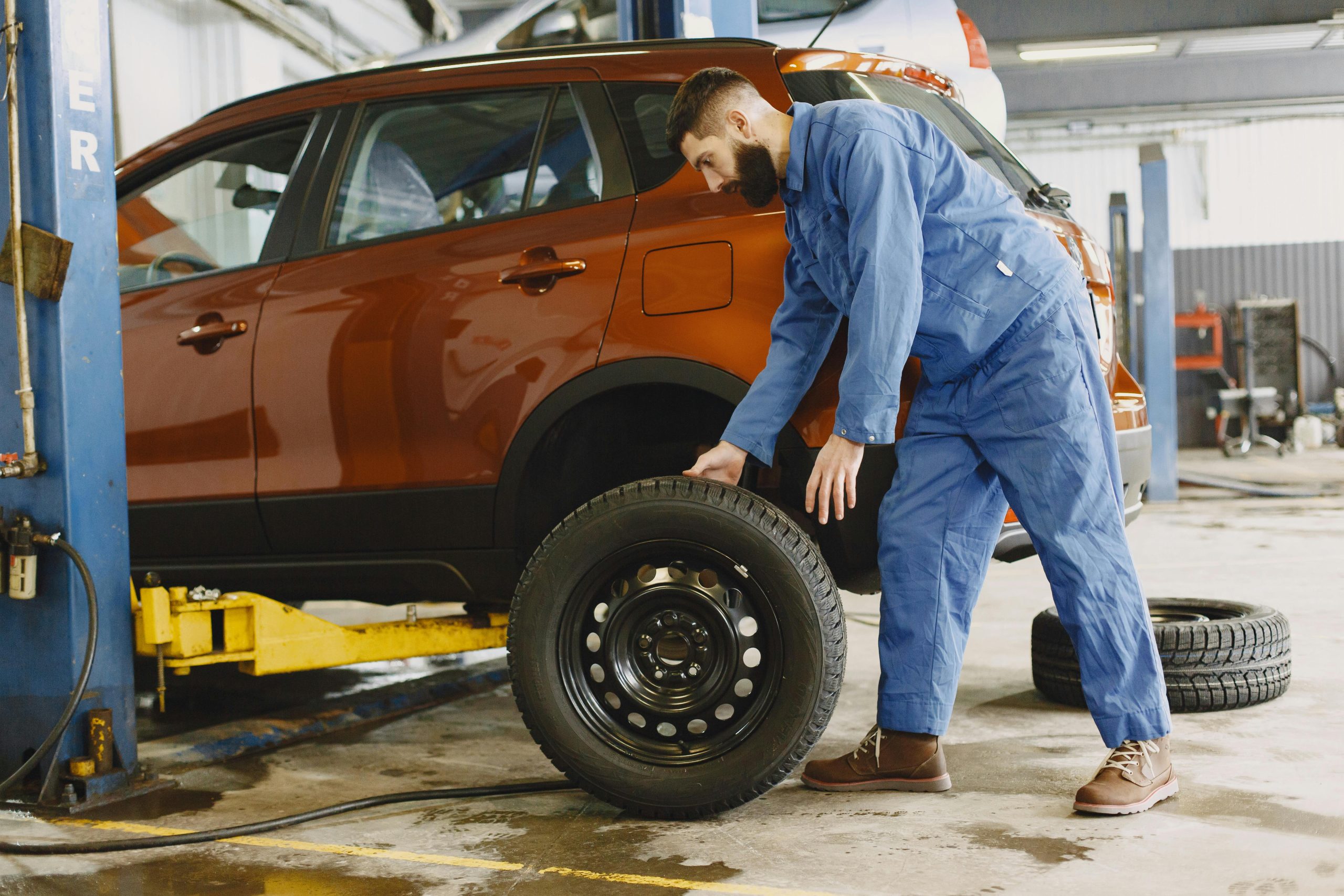
Proper tire installation is more than just mounting rubber onto a rim. Technicians must ensure the tire sits correctly on the wheel and is inflated to the recommended pressure. They also use balancing machines that detect heavy spots and guide where small weights should be placed. Those weights help the tire spin evenly.
When installation is rushed or done without attention to detail, small errors can lead to big discomfort later. A slightly misaligned tire or skipped balancing step may not show problems immediately. Over time, though, the vibration becomes hard to ignore. Careful installation from the start prevents that frustration.
Maintaining Balance Over Time
Even well-installed tires can lose balance over time. Hitting potholes, brushing curbs, or driving on rough roads can shift weights or affect alignment. Alignment refers to how the wheels are angled and positioned in relation to each other and the road. When alignment is off, tires can wear unevenly and contribute to shaking.
Regular inspections help catch small issues before they turn into bigger ones. Rotating tires at recommended intervals also promotes even wear. When tires wear evenly, they are less likely to create vibration. Keeping up with maintenance protects both comfort and safety.
Recognizing When It’s Time for Service
Drivers often ignore minor shaking until it worsens. However, vibration is not just annoying; it can signal stress on suspension parts and steering components. Suspension refers to the system of springs and shocks that keep your ride smooth. Extra vibration can cause these parts to wear faster.
If you notice shaking at certain speeds or feel pulling to one side, it may be time to consult professionals. Many drivers trust experienced providers such as St. Lucie Battery and Tire for proper tire installation and balancing. Addressing the issue early helps avoid uneven tire wear and costly repairs down the road. A smooth steering wheel is often the result of careful, precise work behind the scenes.
Appreciating the Value of a Smooth Ride
A steady steering wheel may seem like a small detail, but it changes the entire driving experience. Smooth handling reduces driver fatigue on long trips and increases confidence behind the wheel. When your vehicle responds predictably, you feel more in control. That peace of mind matters, especially at highway speeds.
Precision installation and balancing are not flashy upgrades, yet they make a noticeable difference. They protect tires from uneven wear and keep steering steady under pressure. In the end, preventing that annoying shake comes down to attention to detail. When tires are installed with care, the road feels smoother and every drive feels more secure.
