



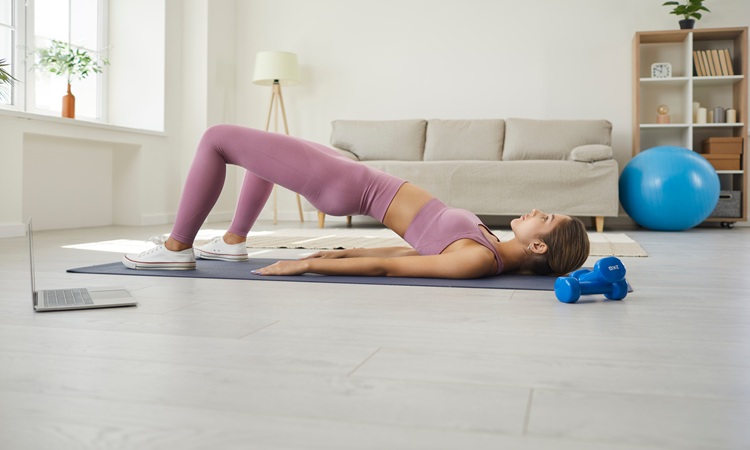
A healthy pelvic floor plays an essential role in supporting the bladder, bowel, and reproductive organs. Weak pelvic floor muscles can contribute to urinary leakage, pelvic organ prolapse, reduced core stability, and discomfort during daily activities. Fortunately, modern pelvic floor exercise equipment has made it easier for individuals to strengthen these muscles effectively from the comfort of home or under professional guidance.
Whether recovering after childbirth, managing age-related muscle weakness, or improving athletic performance, the right equipment can provide targeted support and measurable progress. Understanding the available options helps users choose the best solution for their specific needs.
What Is Pelvic Floor Exercise Equipment?
Pelvic floor exercise equipment refers to devices specifically designed to help strengthen, train, and rehabilitate the pelvic floor muscles. These tools provide resistance, feedback, or gentle stimulation to improve muscle contractions and increase overall pelvic stability.
Unlike performing pelvic floor exercises without guidance, specialized equipment helps users identify the correct muscles, maintain proper technique, and track improvements over time.
Why Pelvic Floor Strength Matters
The pelvic floor muscles serve as a supportive hammock at the base of the pelvis. They help control bladder and bowel function, support internal organs, and contribute to core strength and sexual wellness.
When these muscles weaken due to pregnancy, childbirth, aging, surgery, obesity, or repetitive heavy lifting, symptoms such as urinary incontinence, pelvic pressure, or decreased muscle control may occur. Regular strengthening exercises can improve muscle tone and restore function.
Types of Pelvic Floor Exercise Equipment
Kegel Exercisers
Kegel exercisers are among the most popular training devices. They provide resistance while users contract their pelvic muscles, gradually improving strength and endurance through consistent use.
Biofeedback Devices
Biofeedback equipment measures muscle activity and provides real-time feedback through mobile applications or display screens. This technology helps users confirm they are performing exercises correctly while tracking their progress over time.
Electrical Stimulation Devices
Electrical stimulation devices deliver mild electrical impulses that encourage pelvic floor muscle contractions. These devices are commonly recommended for individuals who have difficulty activating their muscles independently during rehabilitation.
Weighted Pelvic Trainers
Weighted trainers introduce progressive resistance into pelvic floor workouts. As muscle strength improves, users can gradually increase resistance to continue building endurance and stability.
Smart Connected Trainers
Modern smart trainers connect with smartphone applications to guide exercise sessions, record performance, and create personalized training programs based on individual progress.
Benefits of Using Pelvic Floor Exercise Equipment
Regular use of quality pelvic floor exercise equipment offers numerous health benefits, including:
- Improved bladder control
- Reduced urinary leakage
- Enhanced pelvic muscle strength
- Better postpartum recovery
- Increased core stability
- Support for pelvic organ positioning
- Improved confidence during physical activities
- Enhanced sexual health and muscle awareness
- Better overall quality of life
Consistent training often produces gradual improvements over several weeks or months.
Who Can Benefit?
Pelvic floor training equipment can be beneficial for many individuals, including:
- Women recovering after pregnancy and childbirth
- Individuals experiencing stress urinary incontinence
- Older adults experiencing age-related muscle weakness
- Men recovering from prostate surgery
- Athletes seeking improved core stability
- Individuals participating in pelvic floor rehabilitation programs
A healthcare provider can recommend the most suitable device based on individual health conditions and treatment goals.
Choosing the Right Pelvic Floor Exercise Equipment
Selecting the appropriate device depends on several important factors.
Ease of Use
Beginners often benefit from equipment that provides clear instructions, simple operation, and guided training sessions.
Safety
Choose products made from medical-grade, body-safe materials that are easy to clean and designed specifically for internal or external pelvic floor training.
Adjustable Training Levels
Devices offering multiple resistance levels or customizable exercise programs allow users to continue progressing as muscle strength improves.
Progress Tracking
Equipment featuring digital monitoring or biofeedback technology can increase motivation by showing measurable improvements over time.
Professional Guidance
Some devices are designed to complement physiotherapy programs and can be used under the supervision of qualified healthcare professionals for optimal results.
Tips for Safe and Effective Training
For the best results, users should follow proper exercise techniques and remain consistent with their training schedule. Begin with shorter sessions and gradually increase intensity as strength improves. Relax surrounding muscles, breathe normally during contractions, and avoid overtraining.
Maintaining proper hygiene before and after using internal devices is equally important to reduce the risk of irritation or infection.
Lifestyle Habits That Support Pelvic Floor Health
Exercise equipment works best when combined with healthy daily habits. Maintaining a healthy weight reduces pressure on pelvic muscles, while regular physical activity improves circulation and muscle function. Eating a fiber-rich diet helps prevent constipation, minimizing unnecessary strain during bowel movements. Staying hydrated and practicing good posture also contribute to long-term pelvic floor wellness.
When to Seek Professional Advice
While many people experience positive results through regular exercise, persistent symptoms such as severe urinary leakage, pelvic pain, or noticeable pelvic pressure should be evaluated by a healthcare professional. A pelvic floor physiotherapist can assess muscle function and recommend personalized treatment plans that may include specific exercises or specialized equipment.
Conclusion
Investing in high-quality pelvic floor exercise equipment can significantly improve pelvic muscle strength, bladder control, core stability, and overall quality of life. With options ranging from simple Kegel trainers to advanced biofeedback systems, individuals can find equipment that matches their personal needs and fitness level. Combined with consistent exercise, healthy lifestyle habits, and professional guidance when necessary, pelvic floor training equipment offers an effective approach to long-term pelvic health and confidence.
