



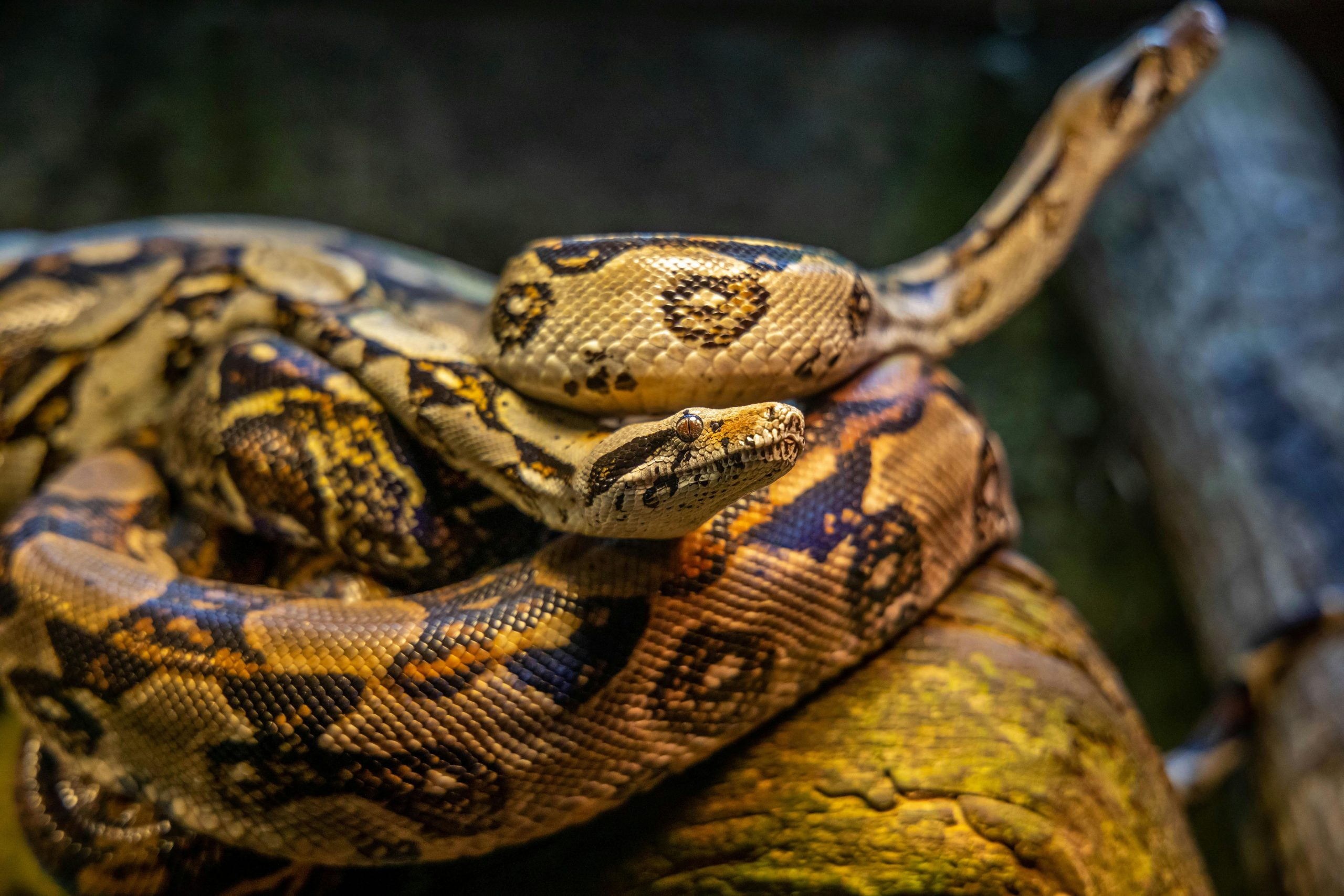
Bringing home a snake is exciting, but it is also a serious commitment. Unlike a puppy or kitten, a snake may live for decades with proper care. That means your decision should go beyond color patterns or price. Asking the right questions up front can save you stress later.
A good breeder will welcome thoughtful questions and answer them clearly. Their responses can tell you as much about their practices as they do about the snake itself. Buying a reptile is not like grabbing supplies off a shelf. It is about understanding the animal’s history, health, and needs before it becomes part of your home.
Understanding the Snake’s Health History
The first question to ask is about the snake’s overall health. Has it had any recent illnesses, feeding issues, or breathing problems? Respiratory infections, which affect a snake’s lungs and airways, can sometimes show up as wheezing or bubbles near the nose. Knowing this history helps you avoid unexpected vet visits.
You should also ask whether the snake has been examined by a reptile veterinarian. Even if it has not, the breeder should be able to describe the animal’s behavior and appetite. A healthy snake is alert, flicks its tongue regularly, and has clear eyes. Transparency about health builds trust from the beginning.
Learning About Feeding and Diet
Feeding habits are another important topic. Ask what the snake is currently eating and how often it is fed. Some snakes eat frozen-thawed rodents, meaning pre-killed prey that has been safely stored and warmed before feeding. Others may have been started on live prey, which can require more caution.
It is helpful to know whether the snake eats consistently without refusal. A snake that regularly skips meals might need extra patience or experience. You should also ask about portion size and feeding schedule. Matching the same routine at home helps reduce stress for the animal.
Clarifying Housing and Environment Needs
Every species has specific habitat requirements. Ask the breeder what temperature range and humidity level the snake has been kept in. Humidity refers to the amount of moisture in the air, which affects shedding and overall comfort. Too little humidity can lead to incomplete shedding, where pieces of old skin remain stuck.
You should also ask about enclosure size and lighting. Some snakes require special lighting to support their natural rhythms, while others do not. Knowing the proper setup before purchase allows you to prepare in advance. A smooth transition into a well-prepared habitat makes a big difference.
Confirming Temperament and Handling
Snakes, like people, have individual personalities. Ask how often the snake has been handled and how it responds to human interaction. A snake that is used to gentle handling may adapt more quickly to a new owner. This is especially important if children or first-time reptile keepers are involved.
The breeder should describe whether the snake has shown defensive behaviors, such as striking or excessive hiding. Occasional nervousness is normal, but consistent aggression may require more experience. Honest answers help you choose a snake that fits your comfort level. A good match benefits both owner and animal.
Verifying Breeder Practices and Support
Finally, ask about the breeder’s overall practices. Do they breed their own snakes or source them from elsewhere? Are they available for follow-up questions after the sale? Responsible breeders care about where their animals go and want buyers to succeed.
Some prospective owners browse reputable providers such as Snakes at Sunset to explore available species and learn about breeder standards. While listings can show what is available, direct communication still matters most. The willingness to answer questions and provide guidance speaks volumes. Choosing a breeder who values education ensures a better start.
Conclusion
Buying a snake is not an impulse decision. It requires curiosity, preparation, and a willingness to ask thoughtful questions. Understanding health history, feeding habits, habitat needs, temperament, and breeder practices creates a strong foundation. These conversations help prevent surprises and build confidence.
In the end, the goal is not just to own a snake but to care for it well. When you ask the right questions, you show respect for the animal and for yourself as a future keeper. A responsible breeder will appreciate that effort. With the right information, bringing home your new snake can be both exciting and responsible.
