



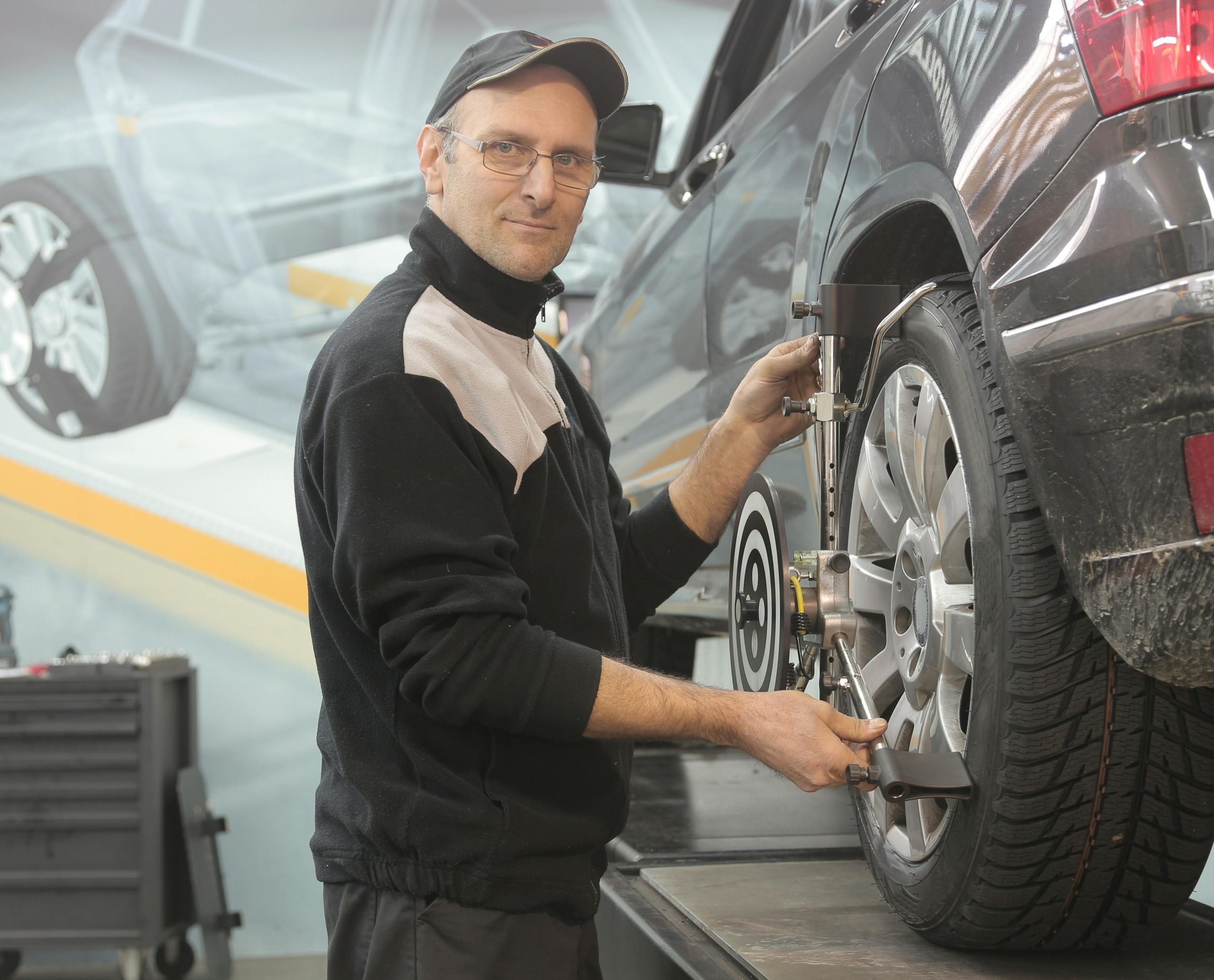
When you slide into the driver’s seat, you probably think about traffic, gas levels, or how long the commute will take. What most of us don’t think about are the four small patches of rubber holding the entire vehicle to the road. It’s easy to overlook something so ordinary, yet those four tires quietly carry the full weight of your car and everyone inside it. Understanding their role can completely change how you think about vehicle safety.
Understanding the Only Four Points of Contact
Your car may weigh several thousand pounds, but it only touches the road in four small patches of rubber. Each tire has a contact patch, which is simply the small area that presses against the pavement. That tiny footprint is responsible for steering, braking, and keeping you stable at highway speeds. It’s a humbling thought when you consider how much you rely on it every day.
We often focus on engines, brakes, or safety features like airbags. Those systems matter, but none of them work properly if the tires lose grip. Without solid traction, anti-lock brakes and stability control cannot do their jobs effectively. Tires are not just accessories; they are the foundation of your vehicle’s safety.
Maintaining Proper Tire Pressure
Air pressure may not seem exciting, but it plays a huge role in how your car handles. When a tire is underinflated, meaning it does not have enough air, more of the rubber drags against the road. That increases heat and wear while reducing fuel efficiency. Overinflated tires, on the other hand, reduce the contact patch and make the ride less stable.
Checking tire pressure once a month takes only a few minutes. Most cars have a recommended pressure listed on a sticker inside the driver’s door. Proper inflation helps tires wear evenly and respond predictably during sudden stops. It’s a simple habit that directly affects how safely your car grips the road.
Monitoring Tread for Road Grip
Tread is the patterned rubber on the surface of a tire. Its job is to channel water away so your tires can maintain contact with the pavement. When tread becomes too shallow, especially below 2/32 of an inch, the risk of hydroplaning increases. Hydroplaning happens when water lifts the tire off the road, causing a temporary loss of control.
You do not need fancy tools to check tread depth. Many drivers use the penny test by placing a penny into the grooves to see how much of Lincoln’s head is visible. If most of it shows, the tread may be too worn. Replacing worn tires improves grip in rain and shortens stopping distances, which can make a critical difference in emergencies.
Rotating Tires for Even Wear
Tires do not wear evenly on their own. Front tires often carry more weight because of the engine and handle most of the steering. That extra strain causes them to wear faster than the rear tires. Regular tire rotation, which means moving tires from one position to another, helps them wear more evenly.
Most manufacturers recommend rotating tires every 5,000 to 7,500 miles. Even wear extends the life of your tires and maintains balanced handling. When one tire is significantly more worn than the others, your car may pull to one side or feel unstable. Keeping them consistent supports smoother driving and better control.
Responding Quickly to Damage
A small nail or sharp object can quickly turn into a larger problem. Driving on a damaged tire increases the risk of a blowout, which is a sudden loss of air pressure. Blowouts at high speeds can be dangerous and difficult to manage. Addressing issues early helps prevent unexpected roadside emergencies.
If you notice vibration, a slow leak, or visible damage, it is wise to seek professional help. Even minor imbalances can lead to uneven tread wear and costly suspension damage if left unaddressed. Many drivers rely on local tire service options to inspect and repair issues before they worsen. Taking action quickly protects both your vehicle and everyone riding in it. Proactive maintenance ensures that a simple patch today doesn’t turn into a dangerous blowout tomorrow.
Conclusion
Tires may not be the flashiest part of your car, but they are its most critical safety feature. They carry the weight of the vehicle, maintain traction, and respond to every turn of the steering wheel. Without properly maintained tires, even the most advanced safety systems cannot perform as intended.
By checking pressure, monitoring tread, rotating regularly, and repairing damage quickly, you reduce risk every time you drive. These small efforts support better handling, shorter stopping distances, and improved fuel efficiency. In the end, the only four points of contact between your car and the road deserve your full attention. When you care for your tires, you are caring for everyone inside the vehicle.
