



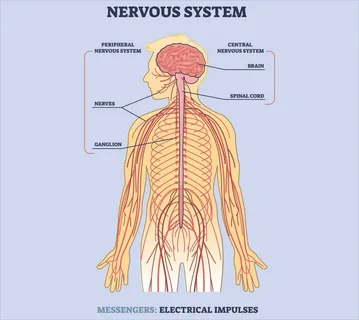
To understand neurological health, one must appreciate the complexity of the neural pathways. The brain contains approximately 86 billion neurons, each forming thousands of synaptic connections. When these pathways are disrupted by trauma, degeneration, or vascular issues, the results can manifest in diverse ways, ranging from motor impairment to sensory loss or cognitive decline.
Neurological disorders are broadly categorized based on their pathology. Neurodegenerative diseases, such as Alzheimer’s and Parkinson’s, involve the progressive loss of structure or function of neurons. Cerebrovascular diseases, most notably stroke, occur when blood flow to the brain is compromised. Additionally, demyelinating diseases like Multiple Sclerosis (MS) involve the destruction of the protective myelin sheath surrounding nerve fibers, leading to a breakdown in communication between the brain and the rest of the body. Institutions likeLiv Hospital utilize advanced neuroimaging and neurophysiological testing to pinpoint these disruptions with exceptional accuracy.
Advances in Diagnostic Neurology
The modern neurologist relies on a suite of high-tech tools to see what was once invisible. Magnetic Resonance Imaging (MRI) with high Tesla strength allows for the visualization of minute lesions in the brain tissue, while Functional MRI (fMRI) can map brain activity by measuring changes in blood flow. This is particularly vital in preoperative planning for brain tumor resections or epilepsy surgery.
Electroencephalography (EEG) remains a cornerstone for diagnosing seizure disorders, allowing clinicians to record the electrical activity of the brain. For disorders of the peripheral nerves and muscles, Electromyography (EMG) and Nerve Conduction Studies (NCS) provide essential data on how well electrical signals are traveling through the limbs. These diagnostic pillars are essential for creating the targeted treatment plans found in a modernNEUROLOGY department.
Cerebrovascular Health and Stroke Intervention
Stroke remains one of the most critical challenges in neurology. It occurs either when a vessel is blocked (ischemic stroke) or when a vessel ruptures (hemorrhagic stroke). The “time is brain” mantra governs the neurological response to these events, as every minute of oxygen deprivation results in the loss of millions of neurons.
Recent breakthroughs in endovascular neurology have revolutionized stroke care. Mechanical thrombectomy—a procedure where a catheter is used to physically remove a clot from a brain artery—has significantly extended the window of treatment and improved the chances of full recovery for patients who might otherwise have faced permanent disability. This intersection of neurology and interventional radiology highlights the collaborative nature of modern brain health.
Chronic Management: Epilepsy and Movement Disorders
For many patients, neurology is about managing chronic conditions to maintain a high quality of life. Epilepsy, characterized by recurrent unprovoked seizures, affects millions worldwide. While many cases are managed successfully with pharmacological agents, drug-resistant epilepsy is increasingly being treated with Vagus Nerve Stimulation (VNS) or focal surgical resections.
Movement disorders, particularly Parkinson’s disease, have also seen a shift toward surgical options like Deep Brain Stimulation (DBS). In DBS, electrodes are implanted into specific areas of the brain to deliver electrical impulses that regulate abnormal signals. This can dramatically reduce tremors, rigidity, and bradykinesia (slowness of movement) when medications are no longer sufficient.
The Frontier of Neuro-Rehabilitation
Recovery from a neurological event or the management of a chronic condition does not end in the operating room or the pharmacy. Neuro-rehabilitation is a vital component of the patient journey. This process utilizes the concept of neuroplasticity—the brain’s innate ability to reorganize itself by forming new neural connections throughout life.
Through intensive physical, occupational, and speech therapy, patients can often regain functions lost to injury. Innovative therapies, including robotic-assisted gait training and virtual reality environments, are now used to “re-wire” the brain, helping stroke survivors and trauma patients reclaim their independence.
Brain Health as a Lifestyle Priority
The resilience of the human brain is deeply connected to the environmental and behavioral choices individuals make every day. Factors such as cardiovascular fitness, restorative sleep, and mental stimulation are no longer considered “extra” but are essential components of neurological maintenance. Reducing systemic inflammation through a balanced diet and managing chronic stress can significantly lower the risk of cognitive decline and vascular complications.
Understanding that the brain does not exist in a vacuum allows for a more holistic view of health. By fostering a lifestyle that supports neural longevity, individuals can protect their most vital organ. For those interested in discovering practical ways to enhance their daily vitality and mental clarity, exploring the intersection of science and wellness can be transformative. Finding the right balance in your routine helps youlive and feel your best, ensuring that your neurological health is supported by a foundation of total body wellness.
