



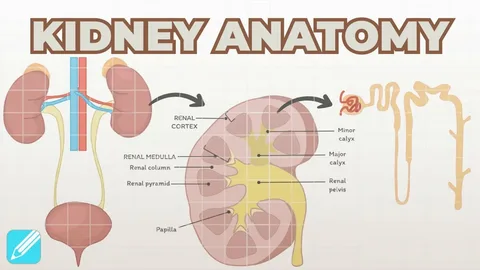
The primary functional unit of the kidney is the nephron. Each kidney contains approximately one million of these microscopic structures, which consist of a filtering component called the glomerulus and a specialized tubule. The glomeruli filter roughly 180 to 200 liters of fluid daily, reabsorbing essential nutrients and water while channeling waste into the urine.
Beyond filtration, the kidneys play a critical role in endocrine function. They produce erythropoietin, a hormone that stimulates the production of red blood cells in the bone marrow, and calcitriol, the active form of Vitamin D necessary for bone health. Consequently, chronic issues inNEPHROLOGY often lead to secondary conditions like anemia and mineral bone disease, requiring a comprehensive medical approach that extends beyond simple fluid management.
Chronic Kidney Disease and the Staging Process
Chronic Kidney Disease (CKD) is characterized by a gradual loss of kidney function over time, typically measured by the Glomerular Filtration Rate (GFR). CKD is classified into five distinct stages, which help clinicians determine the appropriate level of intervention:
- Stage 1: GFR > 90 mL/min (Normal function, but evidence of kidney damage).
- Stage 2: GFR 60–89 mL/min (Mild loss of function).
- Stage 3 (A & B): GFR 30–59 mL/min (Moderate loss of function).
- Stage 4: GFR 15–29 mL/min (Severe loss of function).
- Stage 5: GFR < 15 mL/min (End-stage renal disease or kidney failure).
In the early stages, patients often remain asymptomatic, making routine screenings for individuals with high-risk factors—such as diabetes and hypertension—essential. As the disease progresses to Stage 5, the kidneys can no longer sustain the body’s needs, necessitating renal replacement therapy. Institutions likeLiv Hospital offer specialized units to manage these transitions, focusing on slowing progression and optimizing patient health before advanced intervention is required.
Diagnostic Modalities in Nephrological Care
Identifying the underlying cause of kidney dysfunction requires a multifaceted diagnostic approach. Blood tests are the first line of defense, specifically measuring serum creatinine and Blood Urea Nitrogen (BUN) levels. High levels of these substances generally indicate a decline in filtration efficiency.
Urinalysis is equally critical, as it can detect the presence of albumin (protein) or blood cells, which are markers of glomerular damage. In more complex cases where the etiology of the disease remains unclear, a nephrologist may perform a kidney biopsy. This procedure involves removing a tiny tissue sample using a needle, typically under ultrasound guidance, to examine the nephrons under a microscope. This allows for the diagnosis of specific inflammatory conditions like glomerulonephritis or lupus nephritis.
Renal Replacement Therapy: Dialysis and Transplantation
When the kidneys fail, two primary forms of renal replacement therapy exist: dialysis and kidney transplantation. Dialysis comes in two main types: hemodialysis, which uses a machine to filter blood outside the body, and peritoneal dialysis, which uses the lining of the abdomen as a natural filter.
While dialysis is a life-saving bridge, kidney transplantation is often the preferred long-term solution for eligible candidates. Modern surgical techniques, including robotic-assisted transplantation, have improved success rates and reduced recovery times. Post-transplant care is a lifelong commitment, involving immunosuppressive medications to prevent organ rejection and regular monitoring of the new kidney’s function.
Integrative Health and Renal Longevity
The health of the kidneys is inextricably linked to the health of the entire body. A diet low in sodium and processed sugars, combined with adequate hydration and weight management, can significantly reduce the workload on the renal system. Controlling blood pressure and blood sugar levels are the two most effective ways to prevent the onset of chronic kidney disease.
Because renal health is a component of a larger wellness puzzle, maintaining a balanced lifestyle is paramount. High-quality sleep, regular physical activity, and stress reduction help lower the systemic inflammation that can damage delicate renal tissues. For those seeking to deepen their understanding of holistic wellness and how to betterlive and feel in their daily lives, incorporating mindful health habits is the most sustainable way to protect the body’s internal filtration system for years to come.
