



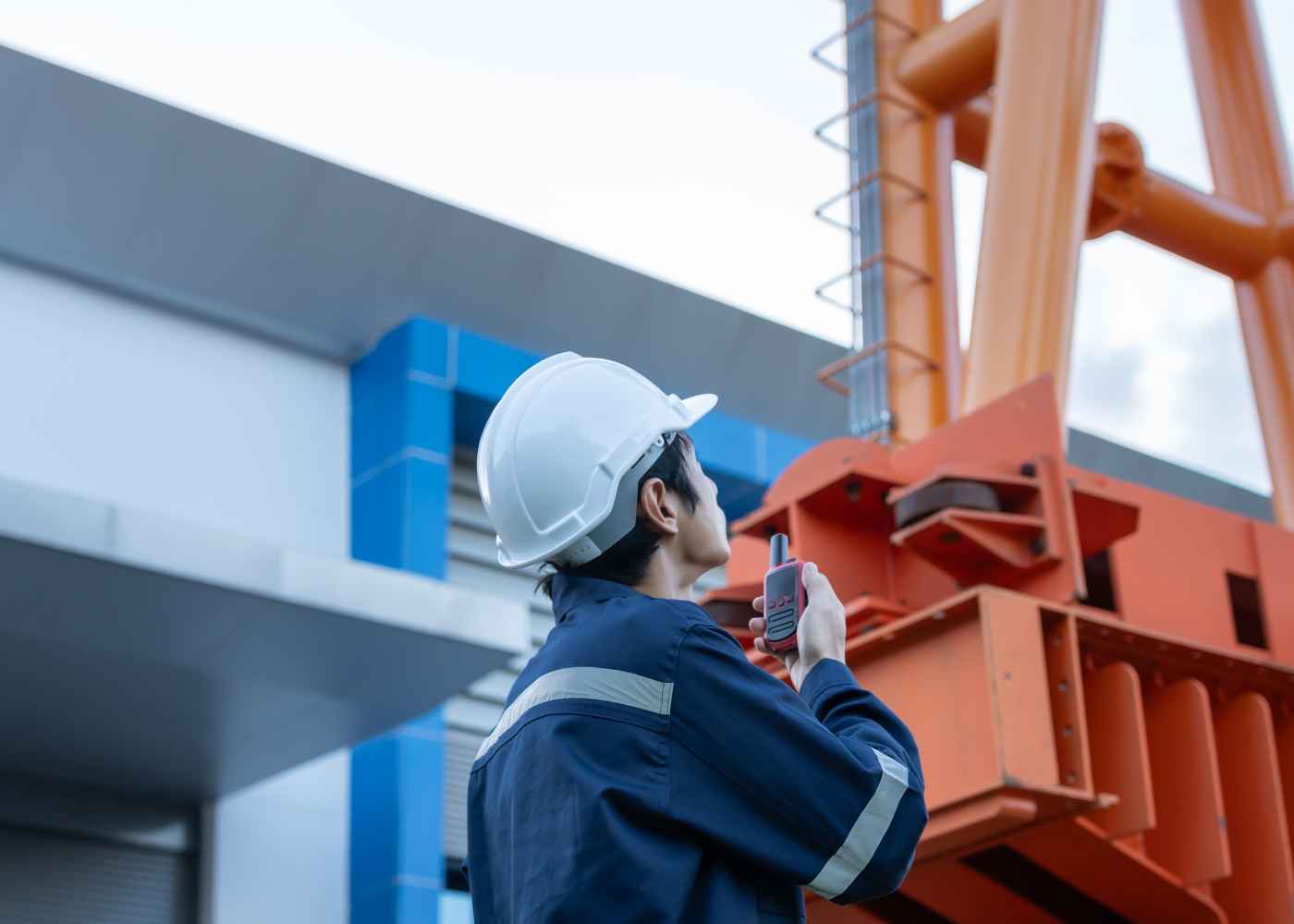
Industrial facilities depend on properly maintained equipment, systems, and infrastructure for safe, efficient operations. Plant maintenance encompasses everything from routine equipment servicing to emergency repairs, all critical for preventing costly downtime and ensuring workplace safety. The maintenance provider you select profoundly impacts operational reliability, costs, and long-term equipment performance. Here are five compelling reasons why choosing reliable, trusted plant maintenance providers deserves careful consideration and thorough evaluation.
Minimize Unplanned Downtime and Production Losses
Equipment failures and unplanned maintenance shutdowns directly impact productivity and profitability. Every hour production stops represents lost revenue, missed deadlines, and potentially dissatisfied customers. Reliable maintenance providers minimize these costly disruptions through preventive care and rapid response.
Preventive maintenance programs developed and executed by professional providers identify potential failures before they occur. Regular inspections, predictive monitoring, and scheduled component replacements catch developing problems during planned maintenance windows rather than allowing catastrophic failures during production runs.
Rapid emergency response capabilities ensure that when unexpected failures do occur, qualified technicians arrive quickly with appropriate tools, parts, and expertise to restore operations. Reliable providers maintain on-call staff, stock critical replacement parts, and prioritize client emergencies appropriately.
First-time fix rates distinguish quality providers from those requiring multiple service calls to resolve issues. Experienced technicians with proper diagnostic equipment identify root causes accurately and implement lasting repairs rather than temporary fixes that fail again within days or weeks.
Scheduled maintenance timing coordination with production schedules minimizes impact on operations. Professional providers work collaboratively planning maintenance during shutdowns, slowdowns, or off-shifts rather than creating additional production interruptions.
Access Skilled Technicians with Specialized Expertise
Modern industrial equipment involves sophisticated mechanical, electrical, hydraulic, and control systems requiring specialized knowledge for proper maintenance and repair. Reliable maintenance providers employ qualified technicians with expertise your facility needs.
Certified technicians with manufacturer-specific training understand equipment thoroughly, following proper procedures and identifying issues that generalists might miss. Their specialized knowledge ensures maintenance meets manufacturer specifications protecting warranty coverage and equipment longevity.
Continuing education investment by quality providers keeps technicians current with evolving technologies, new equipment models, and updated best practices. Industrial systems advance rapidly, and technicians must continuously update knowledge to remain effective.
Diverse skill sets within provider organizations ensure appropriate expertise for varied facility needs. Comprehensive maintenance involves electrical work, mechanical repairs, welding, instrumentation, controls programming, and numerous specialties. Quality providers maintain teams covering all these disciplines.
Problem-solving experience accumulated through working across multiple facilities and equipment types enables skilled technicians to diagnose complex issues efficiently. Veteran technicians have encountered similar problems previously and recognize patterns that accelerate troubleshooting.
Companies like Ferguson Industrial Company understand that technician quality determines maintenance effectiveness, investing extensively in hiring skilled professionals and providing ongoing training keeping expertise current.
Ensure Safety Compliance and Risk Management
Industrial maintenance involves inherent hazards—working with energized electrical systems, pressurized equipment, elevated locations, and moving machinery. Reliable providers prioritize safety through proper training, procedures, and equipment protecting workers and your facility.
OSHA compliance including lockout/tagout procedures, confined space protocols, fall protection, and other safety standards must be followed meticulously during maintenance work. Professional providers train technicians thoroughly and enforce safety procedures preventing the accidents that create injuries, liability, and regulatory violations.
Safety equipment and proper tools that professional providers supply protect technicians and equipment. Quality providers invest in appropriate personal protective equipment, specialized tools, and safety devices rather than improvising with inadequate resources.
Insurance coverage including liability, workers’ compensation, and often additional policies protect your facility from financial exposure if accidents occur during maintenance work. Reliable providers maintain adequate insurance demonstrating financial responsibility.
Documentation and safety records that professional providers maintain demonstrate compliance with regulations and provide evidence of proper procedures if incidents are investigated. Quality recordkeeping protects both providers and clients.
Control Long-Term Maintenance Costs
While professional maintenance services involve upfront costs, reliable providers typically reduce total maintenance expenses through preventive care, efficient operations, and equipment longevity compared to reactive approaches or amateur service.
Equipment lifespan extension through proper maintenance delays expensive capital replacements. Well-maintained equipment operates reliably for years or decades beyond poorly maintained counterparts requiring premature replacement.
Energy efficiency improvements from properly maintained equipment reduce ongoing operating costs. Clean heat exchangers, calibrated controls, lubricated bearings, and optimized systems consume less energy than neglected equipment wasting power through inefficiency.
Warranty protection maintained through documented professional service prevents expensive out-of-pocket repairs. Manufacturers often void warranties when maintenance records don’t demonstrate proper professional care.
Predictable maintenance budgets replace unpredictable emergency expenses when preventive programs prevent failures. Professional maintenance creates foreseeable costs allowing better financial planning than crisis-driven spending.
Build Long-Term Partnerships Supporting Operations
Plant maintenance relationships extending over years or decades provide value beyond individual service calls through institutional knowledge, prioritized service, and collaborative improvement.
Equipment history and facility knowledge accumulated by long-term providers inform better maintenance decisions. Providers familiar with your specific equipment, previous repairs, and operational challenges provide more effective service than those starting fresh each time.
Customized maintenance programs developed collaboratively address your facility’s specific needs, production schedules, and equipment priorities. Long-term partners invest time understanding your operations and developing tailored approaches.
Continuous improvement recommendations from experienced providers help you optimize maintenance strategies, upgrade equipment, and implement best practices. Trusted partners share knowledge benefiting your operations beyond just fixing immediate problems.
Priority service and preferential scheduling often accompany established relationships. Providers value long-term clients and respond accordingly when emergencies arise or scheduling challenges occur.
Investing in Reliability
Plant maintenance provider selection directly impacts operational reliability, safety, costs, and equipment performance. When evaluating maintenance services, prioritize established companies like Ferguson Industrial Company with proven track records, qualified technicians, comprehensive safety programs, and commitment to long-term client partnerships. Your facility’s productivity and profitability depend on equipment operating reliably—choose maintenance providers worthy of this critical responsibility through demonstrated competence, professionalism, and dedication to client success.
