



Introduction
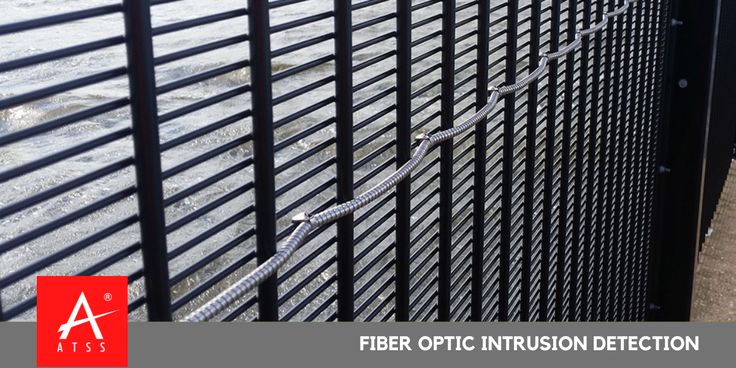
Modern perimeter security demands solutions that are both discreet and highly effective. Fiber optic intrusion detection systems (FOIDS) embedded in the ground or integrated within walls offer a powerful, invisible tripwire capable of detecting intruders with precision. By turning ordinary structures into intelligent sensing platforms, these systems provide covert, reliable protection for critical infrastructure, high-security facilities, and sensitive environments where visible security measures are not practical or desirable.
How Embedded Fiber Optic Systems Work
Fiber optic intrusion detection system operate by sending pulses of light through a cable and analyzing the backscattered signal. Any movement, pressure, or vibration near the fiber creates detectable disturbances in the light pattern. When fibers are buried underground or concealed within building materials, they function as continuous sensors along their entire length.
Key principles include:
- Distributed Detection: Every segment of fiber acts as a sensing element, enabling uniform monitoring.
- High Sensitivity: Vibrations caused by footsteps, digging, drilling, or wall tampering generate measurable signal changes.
- Precise Localization: Advanced processing identifies the exact point of disturbance, often within a few meters.
Ground-Based Fiber: The Subsurface Tripwire
Burying fiber optic cables transforms the soil itself into an intrusion detection layer.
- Detection of Footsteps: The pressure waves from walking, running, or crawling are captured clearly.
- Vehicle Identification: Cars and heavy machinery create strong signatures detectable at significant distances.
- Digging Alerts: Excavation attempts produce distinct vibration patterns, enabling proactive response.
Ground-installed fibers are ideal for:
- Military bases
- Border protection
- Airports
- Power and gas pipelines
- Open-area facilities without fences
Wall-Embedded Fiber: Turning Structures into Sensors
When embedded in walls, floors, or building facades, fiber optic sensors monitor structural vibrations and detect:
- Climbing Attempts: Vibrations from scaling a wall or barrier.
- Cutting or Drilling: Tools create unique frequency patterns easily recognized by modern signal processing.
- Manipulation: Even subtle tampering, such as prying or loosening panels, is captured.
This approach excels in environments requiring discreet protection, such as:
- Correctional facilities
- High-security server rooms
- Sensitive storage vaults
- Government or diplomatic buildings
Advantages of Invisible Fiber Tripwires
Covert Protection
- Operates undetected, reducing attempts to defeat or avoid sensors.
- No visible hardware, wires, or posts reveal the system’s location.
Wide-Area Coverage
- A single fiber run can cover long distances underground or across multiple walls.
- Distributed sensing eliminates blind spots common with point sensors.
Environmental Durability
- Immune to electromagnetic interference.
- Resistant to corrosion, harsh weather, and physical wear.
Low Maintenance
- Once installed, fibers require minimal upkeep.
- No power is needed along the cable—only at the system’s endpoints.
Best Practices for Embedded Installations
Proper Placement
- Bury fibers at consistent depth and offset for reliable detection.
- Ensure wall-embedded fibers are installed with uniform contact along surfaces.
Environmental Considerations
- Use ruggedized cables for soil exposure or moisture-prone walls.
- Protect junction points with weatherproof enclosures.
Calibration and Tuning
- Adjust sensitivity thresholds to distinguish natural events from intrusions.
- Utilize advanced algorithms to reduce false alarms caused by animals or heavy wind.
Layering for Complete Security
- Combine fiber sensing with cameras, access control, or lighting.
- Use zoning to provide precise alert areas for guards or automated systems.
Conclusion
Invisible fiber optic tripwire systems embedded in ground and walls deliver discreet, highly sensitive, and continuous perimeter protection. By leveraging the unique properties of light and distributed sensing, these systems detect footsteps, digging, wall tampering, and structural interference with remarkable precision. Durable, covert, and reliable, embedded fiber systems offer an advanced layer of security that blends seamlessly into the environment—ideal for protecting high-value assets where visibility is not an option but performance is essential.
