



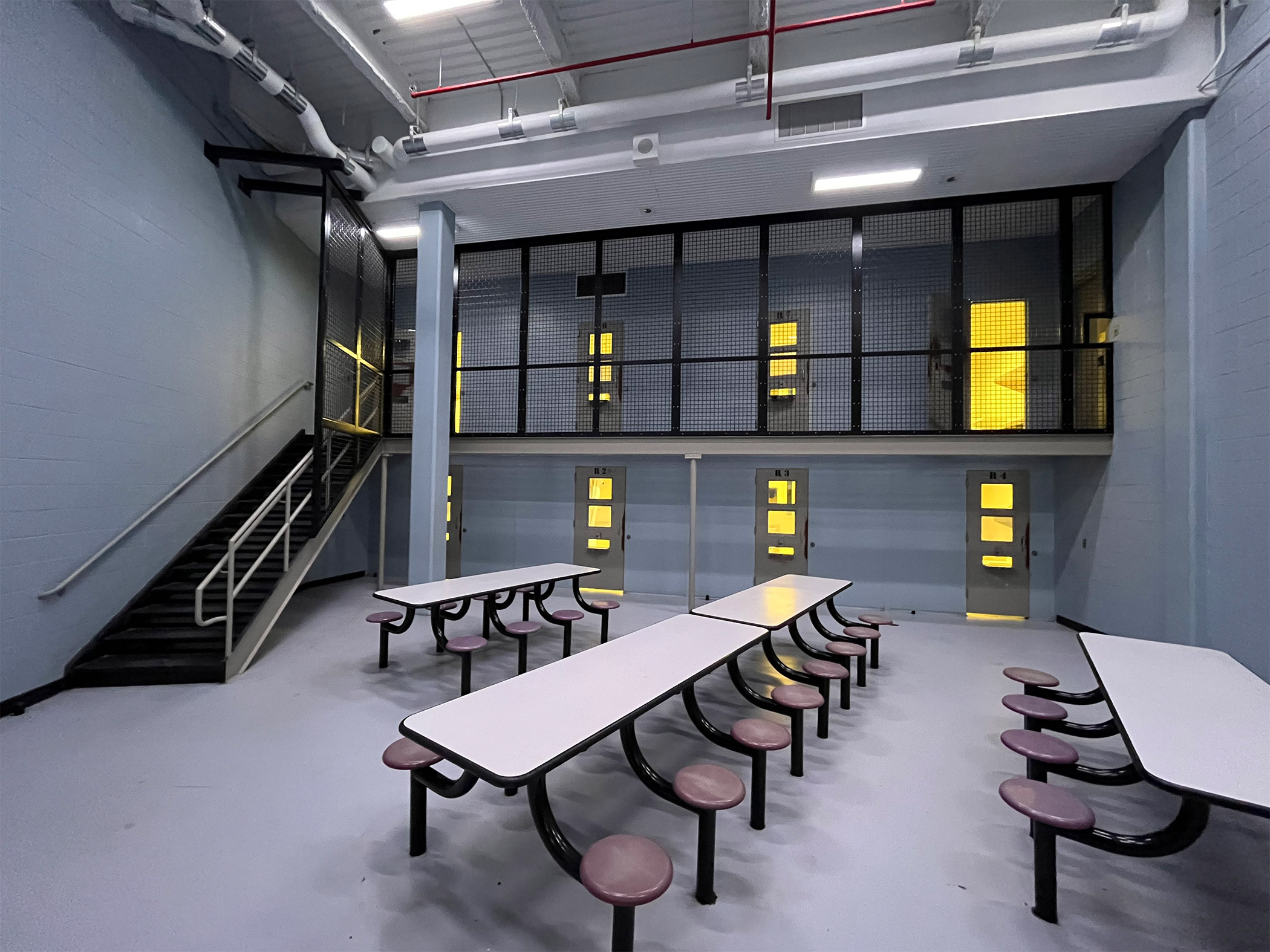
Security design in correctional environments depends on more than strong walls and durable locks. Visual supervision plays a defining role in preventing incidents, protecting staff, and ensuring safe inmate management. Detention equipment contractors understand that before a single fixture is installed, line-of-sight evaluations determine whether a facility will function securely—or fall short under real conditions.
Ensuring Clear Supervision Paths Throughout Secure Spaces
Before any installation begins, contractors evaluate supervision paths to make sure officers can maintain clear visual coverage throughout the facility. These paths influence the design of corridors, cell blocks, and dayrooms, where continuous monitoring reduces risk. Even small changes in fixture height or wall placement can alter sightlines in ways that affect security performance.
Security detention equipment contractors focus on the relationship between human positioning and architectural layout. Observation from control rooms, walkways, and secure perimeters must allow for direct oversight of inmate movement. The process ensures that guards can react quickly to potential threats without visual barriers interfering with awareness.
Reducing Potential Hiding Areas Created by New Fixtures
One overlooked factor in detention design is how new furniture, wall panels, or storage systems create blind corners or hidden recesses. Before adding any equipment, detention equipment contractors assess how each component affects overall visibility. Even modest changes—like repositioning a bunk or replacing lighting fixtures—can alter the security balance of a room.
Evaluating these risks early helps reduce situations where inmates might conceal contraband or attempt harm out of view. By addressing these spaces before construction, modular jails can be designed with transparency in mind, minimizing structural features that compromise staff safety and response time.
Supporting Camera Placement That Captures Full Movement Zones
Cameras can only do their job if they have unobstructed coverage. Contractors assess sightlines to ensure camera placement covers all critical angles, especially where human supervision may be limited. This includes examining how detention center doors open and how shadows or lighting changes could interfere with recording quality.
In facilities using advanced surveillance, alignment between physical design and digital monitoring is essential. Proper positioning avoids overlapping or wasted coverage and strengthens accountability. These pre-installation assessments ultimately help create systems where visual monitoring and technology work together seamlessly.
Confirming Barrier Layouts Do Not Disrupt Visual Monitoring
Barriers are essential for control, but they can also block necessary visibility if poorly placed. Detention equipment contractors evaluate how new walls, partitions, or secure panels affect staff’s ability to observe inmate activity. Clear lines of sight between security checkpoints are as important as physical containment.
In high-traffic areas such as intake and recreation zones, maintaining supervision from multiple angles ensures coordination among officers. Even transparent barriers, like reinforced glass or mesh panels, must be positioned to avoid glare and distortion. Balancing physical security with visual accessibility is part of every pre-installation review.
Maintaining Open Observation Angles for Staff Safety
Observation angles determine how quickly staff can detect movement and respond to emerging threats. Evaluating line-of-sight ensures that hallways, dayrooms, and control booths allow staff to monitor several directions at once. This prevents vulnerable points where guards could be surprised or cornered.
Prison supply manufacturers often coordinate with detention designers to refine these angles, especially in control tower layouts. By simulating daily operations, contractors can visualize how field staff interact with architectural structures and make adjustments before construction begins.
Adjusting Partition Locations to Eliminate Visual Dead Spots
Partitions are necessary for privacy and separation, but they can unintentionally create dead spots if not positioned carefully. Contractors study how each wall, divider, or door interrupts sightlines between officers and inmates. Adjusting these placements by even a few degrees can dramatically improve supervision efficiency.
Visual dead spots are most often found in shower areas, common rooms, and connecting hallways. By removing or reconfiguring these obstructions, security detention equipment contractors ensure that staff retain uninterrupted visual access while maintaining the facility’s required privacy standards.
Verifying Hardware Positioning Aligns with Oversight Needs
Hardware installation extends beyond structural support—it includes locks, hinges, access panels, and communication devices. Each element must be installed where officers can clearly observe interactions and movement. Detention equipment contractors review hardware placement to confirm it aligns with oversight zones defined in the facility’s security plan.
This verification prevents operational blind spots. For instance, misaligned detention center doors or oversized hardware can create restricted visibility from key posts. Reviewing these placements before installation saves time and prevents costly redesigns later in the project.
Strengthening Incident Prevention Through Unobstructed Sightlines
Clear sightlines are one of the strongest deterrents to misconduct in correctional facilities. Unobstructed visibility reduces opportunities for contraband exchanges, confrontations, and escape attempts. By analyzing supervision angles, detention equipment contractors enhance both safety and efficiency without relying solely on technology or manpower. These assessments extend into post-installation maintenance as well, ensuring visibility remains consistent as equipment ages or layouts evolve. Cornerstone applies principles when providing detention equipment solutions for modular jails and correctional environments, ensuring every installation supports effective oversight and safer facility operations.
