



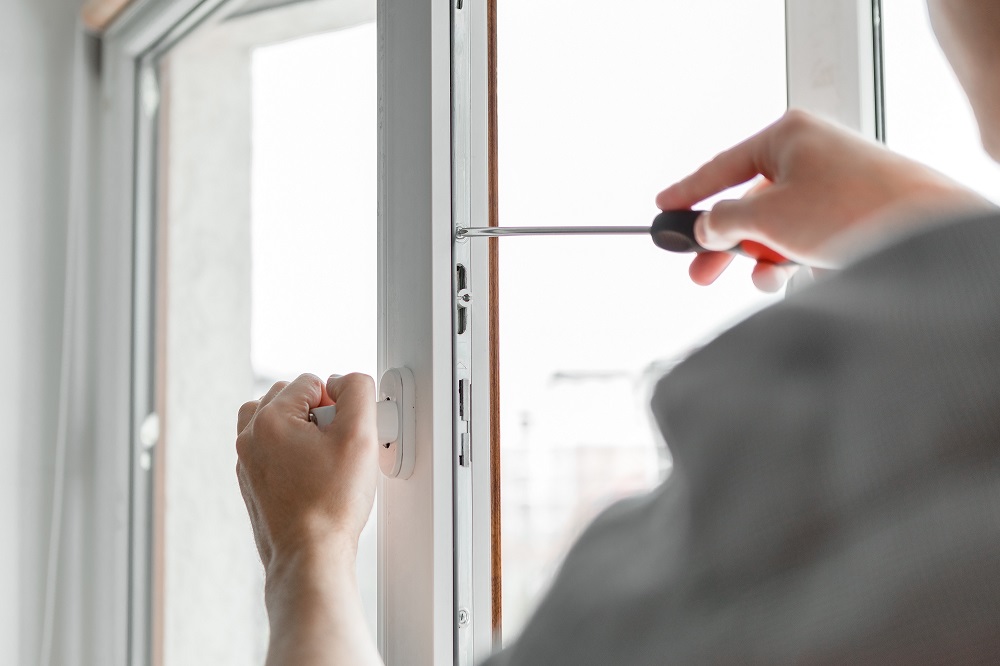
Home installation projects can be exciting, but they often come with unexpected expenses that catch homeowners off guard. Even when you plan carefully, there are hidden fees, add-ons, and unforeseen adjustments that can impact your total spending. Whether you’re upgrading your heating system or replacing old windows, it helps to understand where the extra costs might come from.
Many homeowners are surprised to learn that even simple upgrades can involve additional labor, permits, or material changes. These unexpected factors can shift your budget more than anticipated. By being aware of these possibilities, you can plan better and avoid unnecessary stress. Here’s a closer look at the surprising costs that may come with common home installation projects.
Hidden Fees Behind Structural Adjustments
Structural adjustments are one of the biggest sources of unexpected costs during a home installation project. When installing new components, such as windows or doors, the existing framework might not match the required dimensions. This mismatch often requires extra labor, new framing materials, and additional time to complete the job safely.
In some cases, installers may uncover water damage, rot, or weakening around the installation area. Addressing these issues is essential, but it naturally raises your costs. Even small changes to framing can make a noticeable difference to your overall spending. These adjustments highlight why being prepared for unforeseen structural needs is so important.
Budget Shift From Upgrading Old Utilities
Many homeowners don’t realize that installing new systems can reveal problems with outdated utilities. When upgrading something major, such as during a professional home furnace install, expert installers may discover issues with existing electrical lines, ducts, or ventilation pathways. Repairing or replacing worn-out parts becomes necessary to ensure safe operation. These upgrades can add both time and cost to the project.
Older homes, in particular, tend to come with additional work because many systems are not up to current standards. While these updates improve safety and efficiency, they still create extra expenses. Preparing for these unexpected findings can help reduce stress and keep your project on track.
Additional Labor and Equipment Costs
Labor costs vary widely depending on the complexity of the work required. If installers encounter complications, such as tight spaces or intricate setups, the project may take longer than expected. Longer jobs usually result in higher labor fees, especially when specialists need to be brought in.
Equipment rentals, such as lifts or specialized tools, may also add to the total cost. These are often necessary to complete the job safely and efficiently. Considering the possibility of extra labor needs is crucial for accurate budgeting. It’s always better to set aside a buffer to account for the unexpected tasks that may arise.
Permit and Inspection Requirements
Permits and inspections are essential for ensuring home installations meet local building standards, but they can also increase project expenses. Some installations, such as HVAC upgrades or major structural changes, require multiple approvals. Each permit comes with its own fee, which varies depending on your location and the project’s complexity. Inspection failures may also lead to additional corrective work that adds to the cost.
While these requirements may feel inconvenient, they’re designed to protect your home and ensure safety. Homeowners often underestimate how much permit-related fees can influence their total budget. Understanding this process can help prevent surprises and keep your project compliant.
Material Upgrades and Compatibility Issues
Sometimes the materials you originally planned to use aren’t compatible with your home’s existing structure. For example, while reviewing the house windows installation cost, homeowners may find that certain window styles require upgraded glass, reinforced frames, or additional insulation. These adjustments ensure durability and proper fit, but they also raise the price.
Compatibility issues may also involve changing trim, repainting areas, or replacing adjacent materials. Installers may recommend higher-quality parts to improve long-term performance, and these suggestions can add to the total. While better materials can be worthwhile, the added expense can still be surprising. A flexible mindset helps when unexpected upgrades become necessary for proper installation.
Cleanup, Disposal, and Post-Installation Touch-Ups
Another often overlooked cost in home installations is the cleanup and disposal process that follows the main work. Many contractors include basic cleanup, but removal of old materials, debris, or large equipment may come with added fees. Homeowners may also need to schedule extra waste disposal services if the project generates more debris than expected. In some cases, installers leave minor cosmetic imperfections—like scuffs, scratches, or paint mismatches—that require additional touch-up work.
These finishing touches can lead to further costs for materials or hiring another professional. While small, these extra tasks help ensure the final result looks complete and polished. Being aware of potential cleanup and finishing expenses helps you better prepare for the true scope of your project.
Conclusion
Home installations often seem straightforward at first, but the unexpected costs can quickly change your budget if you’re not prepared. From structural adjustments to permit fees and utility upgrades, each added expense plays a role in the overall outcome of your project.
While these surprises can be frustrating, they’re also a normal part of ensuring your home is safe, efficient, and properly fitted for new systems or components. The key is understanding where these extra costs typically come from so you can plan ahead with confidence. Setting aside a reasonable buffer can make a big difference in managing stress throughout the process.
With the right knowledge and a flexible budget, home improvement projects can still be smooth and rewarding. Being aware of potential surprises simply helps you make smarter decisions from start to finish.
