



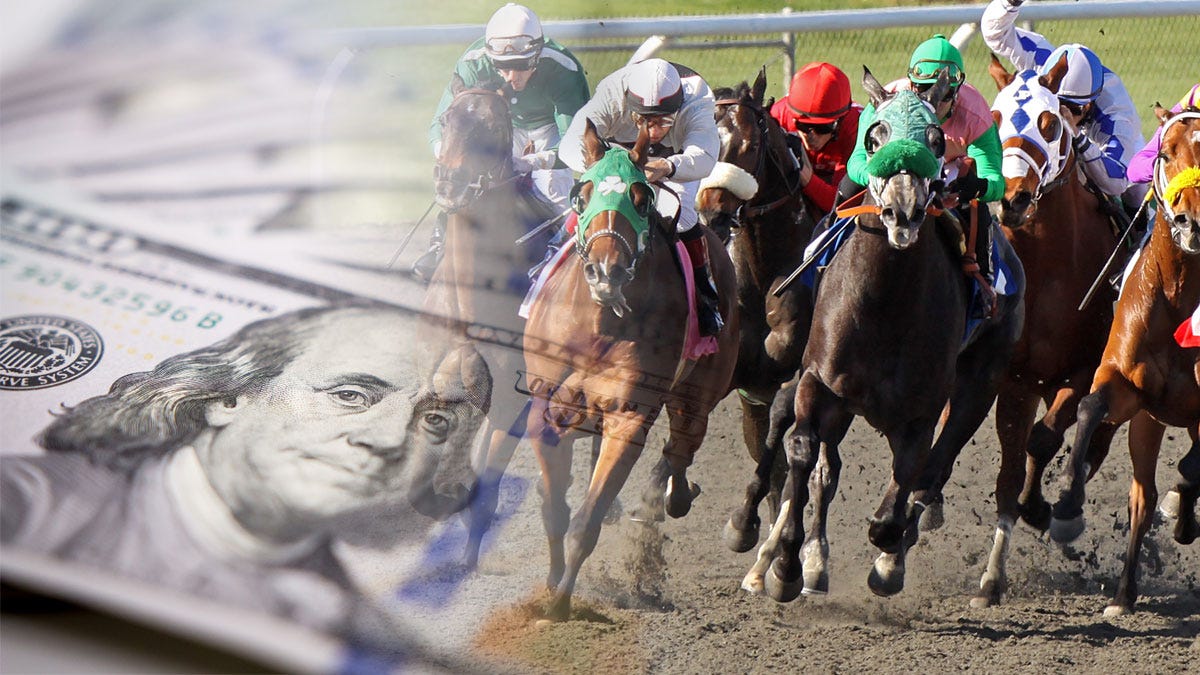
Horse racing is one of the oldest and most popular sports worldwide, attracting millions of enthusiasts to racetracks and online betting platforms. For beginners, however, navigating the world of horse racing betting can seem confusing. Understanding how odds work is crucial for making informed decisions and increasing your chances of winning. This guide will help you grasp the basics of horse racing betting odds, providing a solid foundation for new bettors.
What Are Horse Racing Betting Odds?
Horse racing betting odds represent the probability of a horse winning a race and determine how much you can potentially win from your bet. Odds are usually displayed in three main formats: fractional, decimal, and moneyline (American).
- Fractional Odds: Common in the UK, these are expressed as fractions (e.g., 5/1). This means for every $1 you bet, you could win $5 if your horse wins.
- Decimal Odds: Popular in Europe and online betting, these are shown as decimals (e.g., 6.00). They represent the total payout, including your stake.
- Moneyline Odds: Used in the US, these can be positive or negative (e.g., +500 or -200) and indicate how much you can win on a $100 bet or how much you need to bet to win $100.
Understanding these formats is the first step in becoming a confident bettor.
How Horse Racing Odds Are Calculated
Odds are determined based on several factors, including a horse’s past performance, jockey experience, track conditions, and public betting patterns. Bookmakers use these factors to calculate the likelihood of each horse winning and set odds accordingly.
For example, a horse with strong past performances and favorable conditions may have shorter odds (lower payout but higher probability of winning), whereas a less experienced horse may have longer odds (higher payout but lower probability of winning).
Types of Horse Racing Bets
Once you understand horse racing betting odds, it’s important to familiarize yourself with common types of bets:
- Win: Betting on a horse to finish first.
- Place: Betting on a horse to finish first or second.
- Show: Betting on a horse to finish first, second, or third.
- Exacta: Picking the first two finishers in the correct order.
- Trifecta: Predicting the first three finishers in the correct order.
- Superfecta: Choosing the first four finishers in exact order.
Each type of bet has its own level of risk and potential payout, which is directly influenced by the odds.
Tips for Beginners
- Start Small: Begin with simple bets like win, place, or show before attempting exotic bets like trifectas.
- Do Your Research: Study past performances, jockeys, trainers, and track conditions.
- Compare Odds: Different bookmakers may offer slightly different odds, which can affect potential winnings.
- Manage Your Bankroll: Never bet more than you can afford to lose.
Conclusion
Understanding horse racing betting odds is essential for anyone looking to enjoy and succeed in horse racing betting. By learning how odds are calculated, familiarizing yourself with bet types, and employing smart betting strategies, you can make informed decisions and enjoy the thrill of the races.
Whether you’re betting at a racetrack or online, this guide on understanding horse racing betting odds: a beginner’s complete guide equips you with the knowledge to get started confidently. Remember, patience and research are key—betting is a marathon, not a sprint.
